Analyzing Shifts in Digital Payment Methods for Online Wagering Platforms
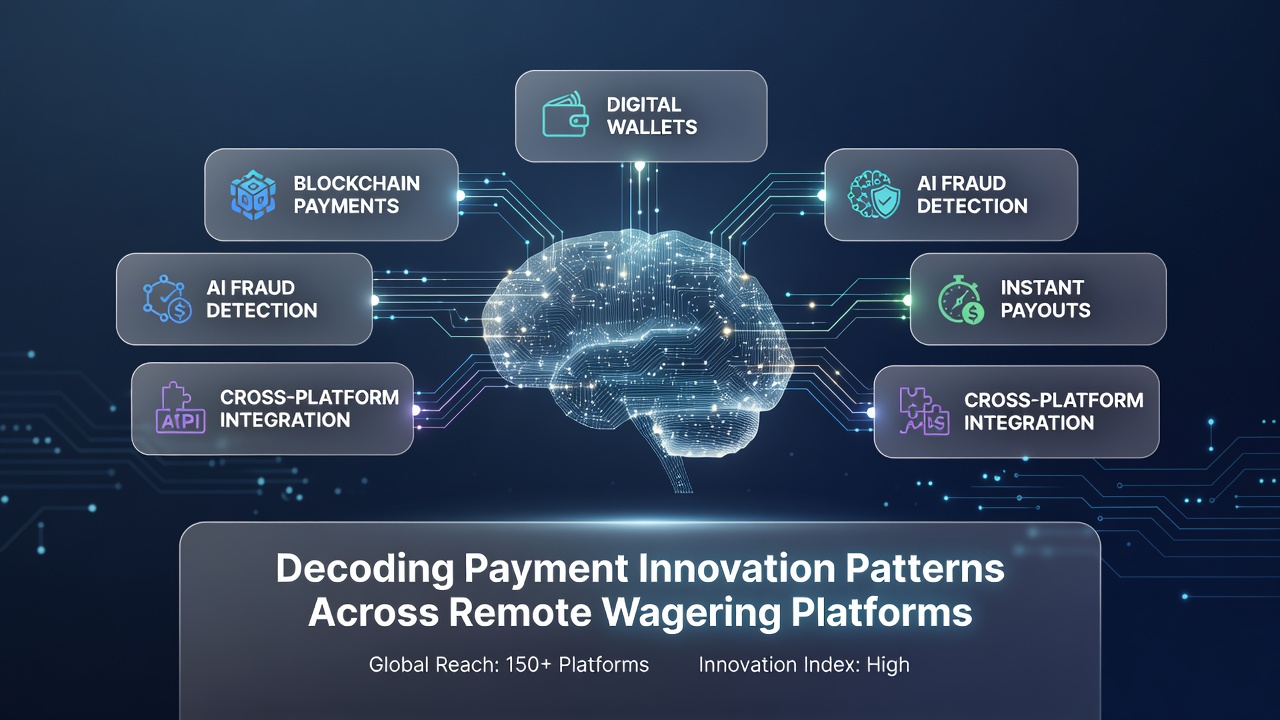
Payment systems in remote wagering have evolved through successive waves of technological adoption, and observers note that platforms now integrate multiple transaction layers to handle deposits and withdrawals across borders. Researchers at various institutions track these changes by examining volume data, processing speeds, and security protocols that operators deploy to meet user demands while complying with regional rules.
Core Innovations Driving Transaction Patterns
Digital wallets and instant bank transfer systems have gained traction because they reduce processing times from days to seconds, and data from industry reports shows adoption rates climbing steadily since 2023. Cryptocurrency options appear in more platforms as operators respond to requests for decentralized alternatives that bypass traditional banking networks, while blockchain ledgers provide transparent audit trails that regulators in several jurisdictions review during compliance checks.
Artificial intelligence tools now scan transaction patterns in real time, and experts point out that these systems flag anomalies faster than manual reviews once did. Open banking frameworks allow direct account access without sharing card details, which cuts down on fraud incidents according to figures compiled by payment processors operating across Europe and North America.
Regional Variations in Technology Uptake
Platforms serving North American users often prioritize integrations with established banking apps and prepaid cards, whereas those targeting Asia-Pacific markets experiment more with mobile money services that align with local infrastructure. Australian regulators, for instance, have documented increased use of pay-by-phone methods in licensed remote operations, and similar patterns emerge in Canadian provinces where online gaming expanded recently.
One study released by the University of Nevada Reno's gaming research center examined transaction logs from 2024 through early 2026 and found that cryptocurrency volumes grew by double digits in markets without strict prohibitions. European operators meanwhile lean toward SEPA-based instant payments that settle within the Eurozone, and this approach supports higher retention rates because users encounter fewer delays during cashouts.
Security Enhancements and Compliance Layers
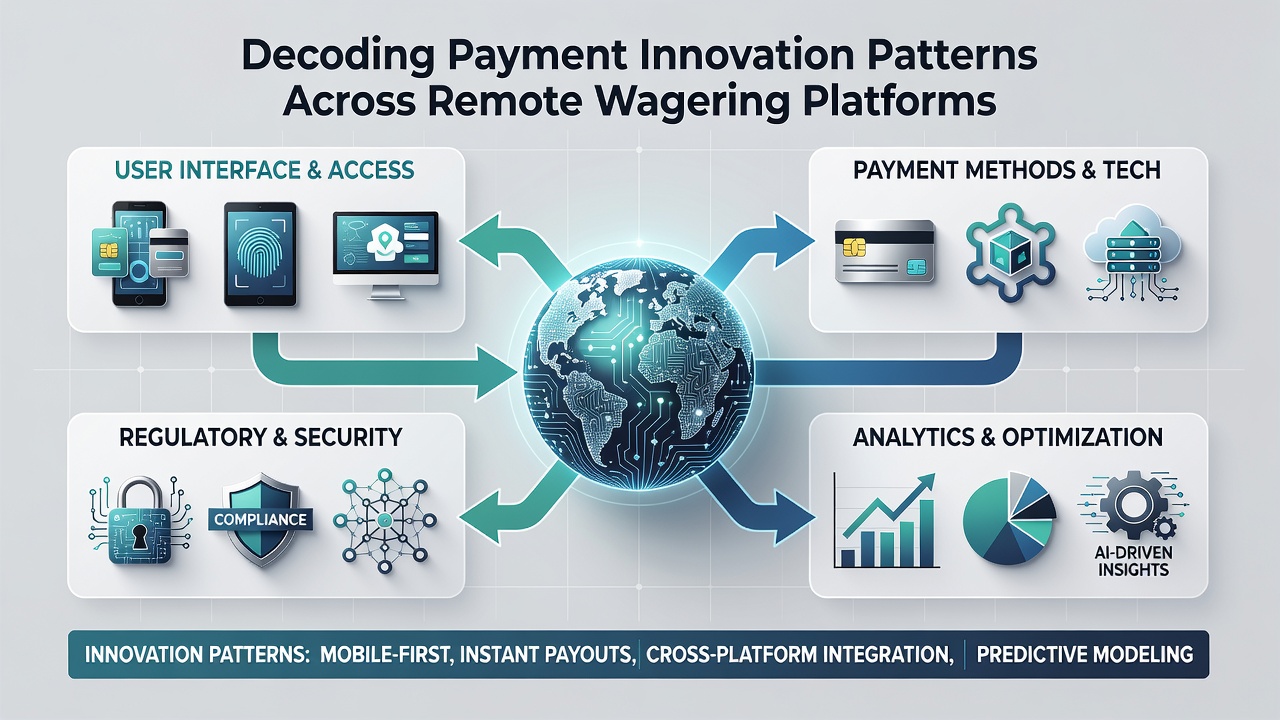
Biometric verification and tokenization have become standard across leading platforms, and analysts observe that these measures address rising concerns about account takeovers. In June 2026 several operators rolled out multi-factor authentication updates tied to device fingerprinting, which reduced unauthorized access attempts according to internal metrics shared with industry associations.
Payment service providers must navigate differing licensing requirements, and those serving multiple regions often maintain separate rails for each market to satisfy local data residency rules. This segmentation creates distinct patterns where users in one country see different funding options than those elsewhere, yet the underlying technology stack remains unified for efficiency.
Emerging Trends and Data Indicators
Transaction analytics reveal that average deposit sizes fluctuate with payment method popularity, and smaller frequent transfers dominate when instant options are available. Research indicates that platforms offering a broader mix of methods experience steadier activity levels throughout the week, particularly when they include both traditional and emerging channels side by side.
Observers at trade events have noted increased collaboration between wagering operators and fintech firms to pilot new protocols, such as embedded finance features that let users manage betting funds within banking apps. These partnerships produce measurable improvements in conversion rates from registration to first deposit, and similar outcomes appear in reports issued by groups like the European Gaming and Betting Association.
Another source of insight comes from Australian gambling research summaries that track how payment innovations influence participation patterns across licensed sites. Data compiled there shows steady growth in digital methods even as overall market sizes remain stable.
Future Trajectories Based on Current Evidence
Projections based on 2025 transaction volumes suggest continued expansion of instant and decentralized options through the remainder of 2026, and developers continue refining cross-border settlement tools to lower costs. Regulatory sandboxes in multiple countries allow controlled testing of novel payment features, which helps surface potential issues before wider deployment.
Those monitoring these developments emphasize that successful platforms adapt their payment portfolios based on user location data and feedback rather than applying uniform solutions everywhere. This targeted approach produces the varied innovation patterns now visible across remote wagering environments.
Conclusion
Payment innovation in remote wagering continues to reflect broader fintech advancements while responding to specific industry constraints around security and regulation. The patterns that emerge from transaction data point to increasing reliance on speed, flexibility, and layered verification, and these elements shape how operators structure their services moving forward. Continued observation of adoption metrics and regional differences will clarify which approaches gain lasting traction across global platforms.