Auditory Cues in Casino Environments: How Music and Effects Shape Betting Behaviors
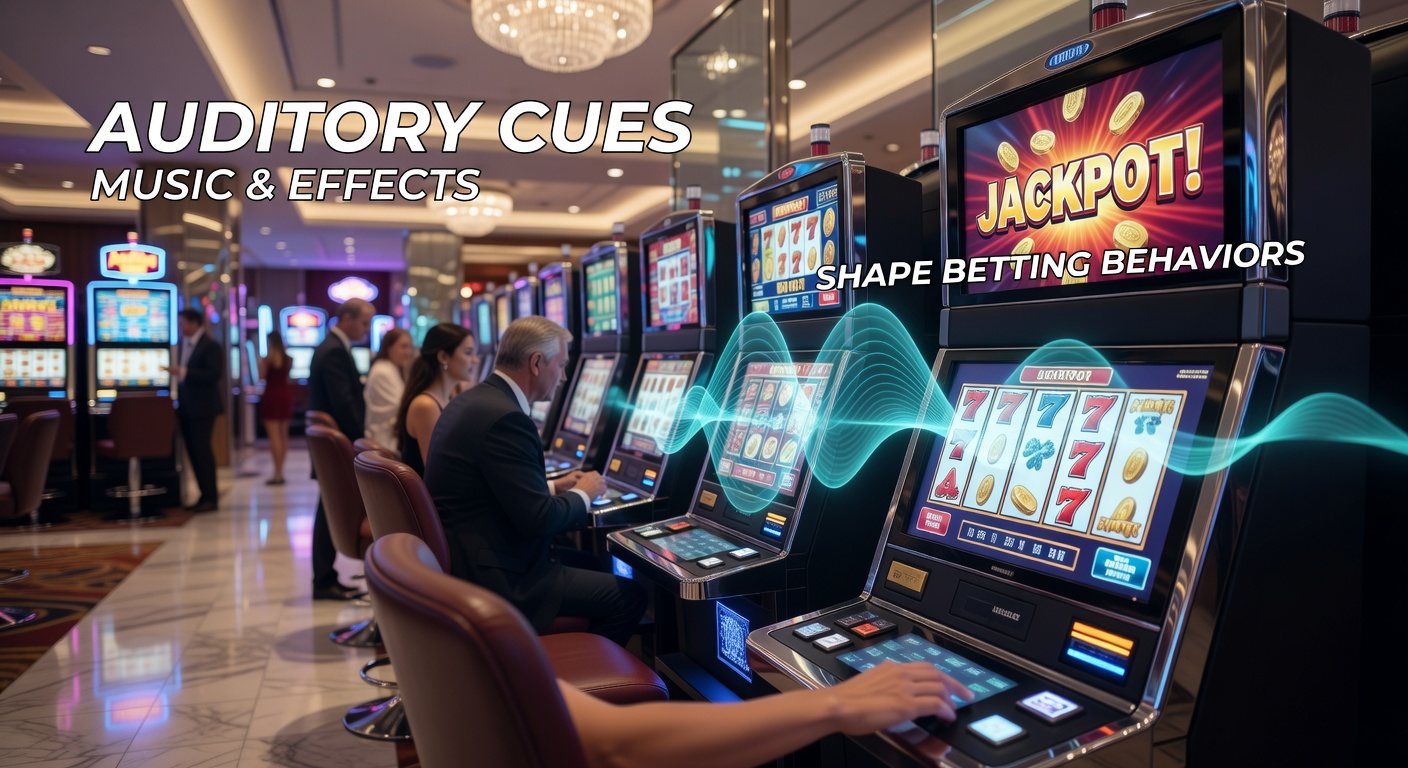
Sound plays a central role in shaping how players interact with casino games, and operators have refined these auditory elements over decades to align with observed behavioral patterns. Music selections, ambient soundtracks, and win celebrations combine to create an environment where pacing, arousal levels, and decision speed shift in measurable ways according to multiple academic and industry reports.
Research conducted across North American and European gaming venues shows that background music tempo directly correlates with bet frequency on slot machines and table games. Faster tracks, typically between 120 and 140 beats per minute, tend to accelerate play rates while slower selections allow longer deliberation periods between wagers. Data collected from floor management systems indicate that these tempo adjustments produce consistent changes in average spins per hour across different machine banks.
Music Tempo and Player Pacing
Casino sound designers select playlists that maintain steady rhythmic drive without crossing into distraction territory. Observers note that playlists often rotate through upbeat instrumental tracks during peak evening hours, then transition toward mid-tempo selections as overnight crowds thin. This progression aligns with documented shifts in player stamina and concentration that surface in session length statistics compiled by several large resort operators.
Studies from the University of Nevada, Reno have examined how music tempo influences heart rate and betting velocity on electronic gaming devices. Participants exposed to higher-tempo tracks placed wagers at noticeably shorter intervals than those listening to slower selections, although total session duration remained comparable across conditions. These findings appear in multiple peer-reviewed publications focused on environmental psychology within gambling settings.
Win Celebration Sounds and Reinforcement Loops
Sound effects tied to wins represent another layer of auditory influence. Machines emit distinct chimes, jingles, and escalating tones whenever credits register, and these cues occur even during smaller payouts that do not exceed the initial wager. Acoustic analysis reveals that successful outcomes receive brighter, higher-frequency emphasis while losses often register through softer or absent audio feedback.
Operators adjust volume curves so that winning sounds carry across adjacent machines, creating an impression of frequent success throughout the gaming area. Regulatory filings from the Nevada Gaming Control Board document how these audio profiles undergo testing to ensure they remain within permitted decibel ranges while still delivering clear reinforcement signals to players.
Ambient Noise and Spatial Design
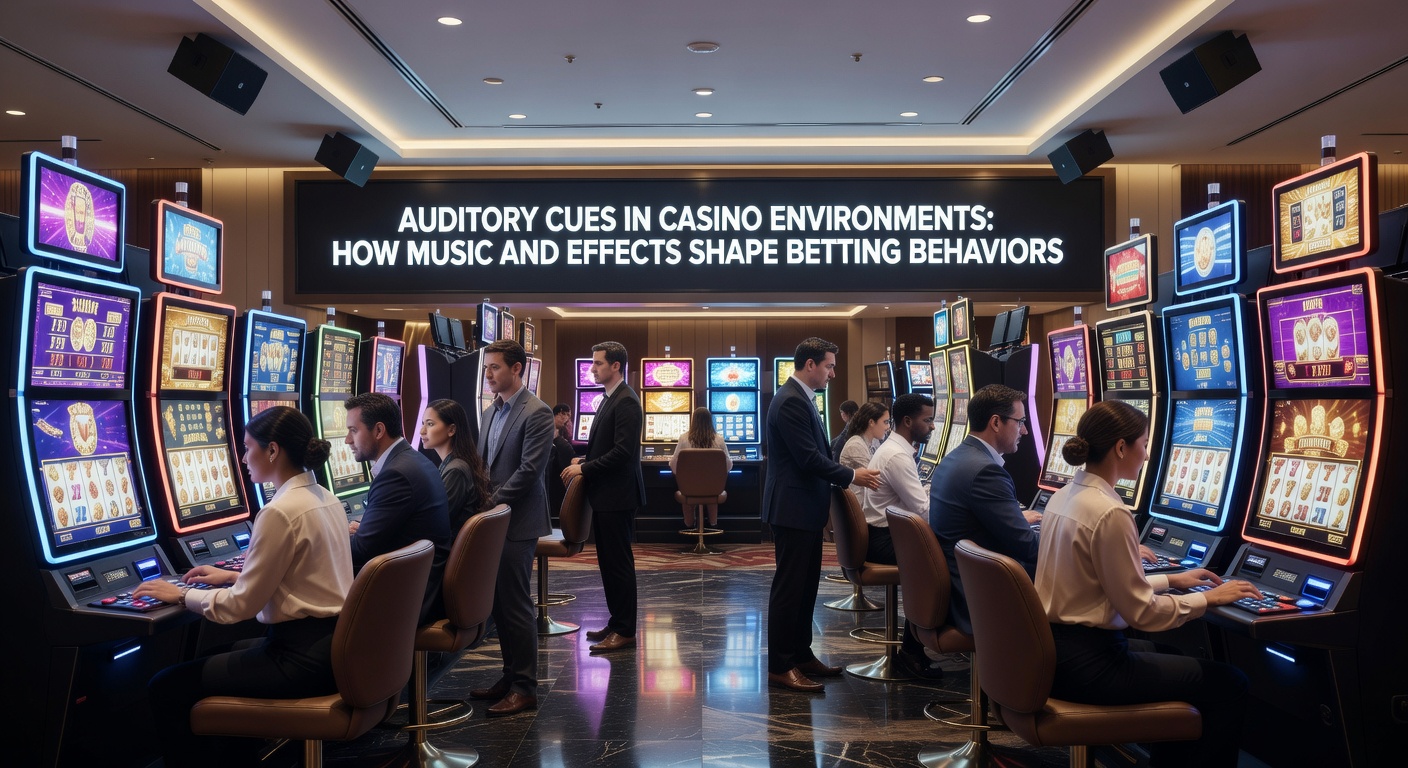
Beyond foreground music and machine sounds, casinos layer ambient tracks that include crowd murmur, faint dealer calls, and distant jackpot announcements. These background elements help mask individual machine noise while contributing to an overall sense of activity. Acoustic consultants measure reverberation times and speaker placement to prevent dead zones where sound drops away abruptly, maintaining consistent auditory coverage across the floor.
In May 2026, researchers presenting at the International Conference on Gambling and Risk Taking in Las Vegas shared updated findings on how spatial audio configurations affect navigation patterns through large casino properties. Attendees learned that players tend to linger longer near zones where layered sound creates perceived warmth and activity, while quieter transitional areas see faster movement between gaming sections.
Cross-Cultural Variations in Audio Application
Gaming venues in different regions adapt auditory strategies to local preferences and regulatory frameworks. Australian casinos, for instance, incorporate more nature-inspired soundscapes in certain premium areas, while Asian properties often emphasize percussive rhythms during promotional events. Industry reports compiled by the Asian Gaming Association track how these regional approaches produce distinct engagement metrics when measured against standardized play indicators.
Canadian provincial gaming corporations have published summaries showing that seasonal playlist adjustments coincide with measurable changes in table game hold percentages during holiday periods. These documents highlight correlations between musical selections and average bet sizes without claiming direct causation, leaving room for further controlled research.
Technological Integration and Future Adjustments
Modern casino management systems now link audio delivery to real-time occupancy data. When floor traffic increases, automated controls raise ambient music levels and trigger more frequent win celebration samples on nearby machines. Conversely, during slower periods the system reduces overall volume to avoid drawing attention to empty spaces. Technical specifications released by several major slot manufacturers detail how these integrations operate within existing hardware constraints.
Sound engineers continue testing directional audio technologies that allow specific machines or table areas to receive targeted audio boosts without affecting neighboring zones. Early implementations appear in high-limit rooms where individualized sound profiles support different player preferences while preserving overall floor cohesion.
Conclusion
Auditory cues in casino environments operate through multiple overlapping channels that include tempo-driven pacing, reinforcement sounds, ambient layering, and spatial design. Available research from academic institutions and regulatory bodies across several countries documents consistent patterns linking these elements to measurable changes in betting speed and session behavior. As audio technology advances, operators gain finer control over how soundscapes evolve throughout each operating day, creating environments where auditory feedback remains a constant factor in the overall gaming experience.