Blockchain Technology Transforms Casino Payout Systems Amid Ongoing Integration Hurdles
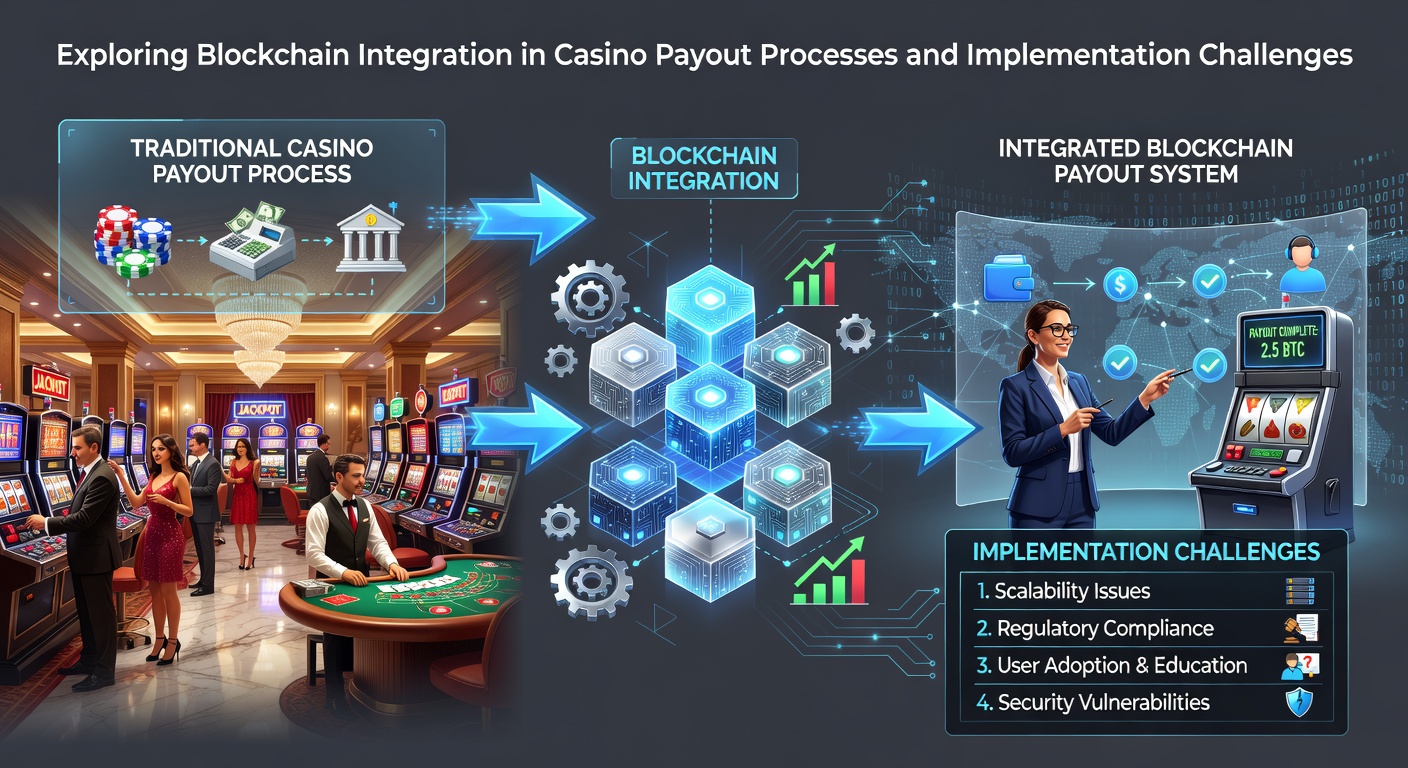
Blockchain integration into casino payout processes has accelerated as operators seek greater transparency, reduced processing times, and lower transaction costs, while players gain access to verifiable transaction histories that eliminate traditional disputes over fund releases. Many platforms now embed distributed ledger systems to handle withdrawals through smart contracts that execute automatically once predefined conditions such as identity verification and game outcome confirmation are met, and this approach cuts out intermediary banks that often delay transfers for days.
Core Mechanisms Driving Blockchain Payout Adoption
Operators deploy permissioned blockchains that record every payout as an immutable entry, allowing regulators and auditors to trace funds from game result to player wallet without relying on centralized databases that remain vulnerable to single-point failures. Data from industry analyses show transaction settlement times dropping from 48 hours to under 10 minutes when crypto-based rails replace legacy wire systems, yet volatility in digital asset values continues to require hedging mechanisms that convert winnings into stablecoins before final disbursement.
Take one major operator in Nevada that piloted a blockchain module in early 2025; the system linked slot machine outcomes directly to player accounts via encrypted keys, and researchers at the University of Nevada documented a 30 percent reduction in payout-related customer service tickets during the trial period. Similar experiments have taken root across European and Asian markets where local laws permit digital asset use, although full-scale rollout still demands compatibility layers that translate between fiat accounting standards and on-chain records.
Regulatory Landscapes and Compliance Pressures
Government agencies such as the Nevada Gaming Control Board and Australia's National Gambling Regulator have issued guidance requiring blockchain solutions to maintain the same anti-money laundering checks applied to conventional banking channels, which means operators must integrate know-your-customer protocols directly into wallet onboarding flows. These requirements create additional coding overhead because each jurisdiction imposes distinct reporting formats, and failure to reconcile on-chain data with offline audit trails has already triggered fines in multiple test markets.
Technical Barriers Encountered During Implementation
Legacy casino management systems built on decades-old software struggle to interface with distributed ledgers, forcing developers to build custom APIs that sync real-time game data with block confirmations while preserving the speed players expect during live sessions. Scalability tests conducted by the Gaming Technology Association reveal that public networks can handle only a fraction of peak-hour withdrawal volumes at large properties, prompting many firms to adopt hybrid models that combine private chains for internal records with public bridges for player-facing transfers.
What's interesting is how energy consumption concerns have influenced choices between proof-of-work and proof-of-stake protocols, since some regulators now factor environmental impact into licensing renewals. Observers note that casinos opting for proof-of-stake variants report lower operational costs and easier approval from sustainability-focused oversight bodies, although these networks introduce different security trade-offs that demand ongoing cryptographic audits.

Player Experience and Adoption Patterns
Players benefit from instant visibility into payout status through public explorers that display wallet addresses and block timestamps, and this transparency has reduced chargeback rates in markets where blockchain payouts are offered. Yet many users still prefer familiar card or e-wallet options because they remain uncertain about managing private keys or converting between cryptocurrencies and local currencies, which creates an adoption curve that operators address through simplified wallet interfaces and educational pop-ups.
One study released by the European Gaming and Betting Association in late 2025 tracked user behavior across 12 properties and found that 42 percent of players who tried blockchain withdrawals returned to traditional methods for subsequent transactions, primarily citing tax reporting confusion rather than technical difficulties. Casinos have responded by embedding automated tax form generation tied to on-chain activity, a feature that appears set for broader testing ahead of anticipated rule updates scheduled for May 2026.
Future Outlook and Remaining Obstacles
Industry reports indicate that by mid-2026 several jurisdictions plan to finalize standards for cross-border blockchain settlements, which could open new corridors for international players while tightening rules around stablecoin reserves that back player balances. Implementation teams continue to confront interoperability gaps between different ledger protocols, and cybersecurity firms warn that smart contract vulnerabilities could expose large prize pools if code audits fall behind rapid feature releases.
Yet the trajectory points toward wider acceptance once standardized compliance toolkits become available, allowing smaller operators to adopt the technology without building everything from scratch. Data shows early adopters already enjoying measurable gains in operational efficiency, and those gains are expected to compound as more payment processors integrate native blockchain support.
Conclusion
Blockchain continues to reshape casino payout infrastructure by delivering speed, auditability, and cost savings that legacy systems cannot match, even as regulatory fragmentation, legacy integration issues, and user education needs remain significant hurdles. Operators that navigate these challenges through phased rollouts and partnerships with established technology providers position themselves for smoother transitions when new standards take effect in 2026 and beyond.