Cashback Mechanics: Turning Casino Losses into Repeat Play Fuel
Cashback Mechanics: Turning Casino Losses into Repeat Play Fuel
The Basics of Cashback in Modern Casinos
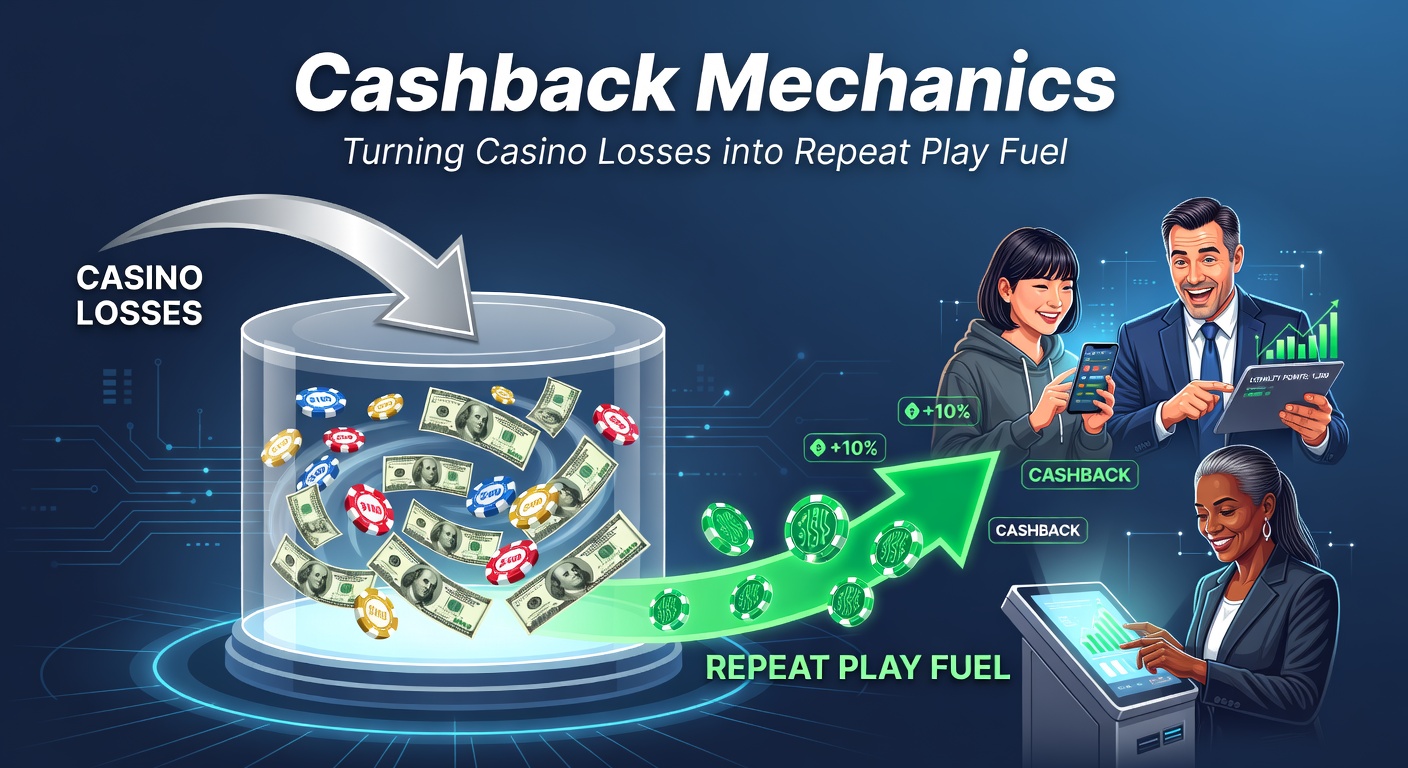
Casinos deploy cashback mechanics as a core retention tool, refunding a percentage of player losses to encourage continued engagement; typically ranging from 5% to 25%, these offers reset weekly or monthly, turning net losses into playable credits that fuel repeat sessions without requiring fresh deposits. Players who've tracked their play often notice how a 10% cashback on £1,000 in losses yields £100 back, which then extends playtime and potentially offsets future downturns, while operators leverage this to maintain active accounts amid volatile win rates. Data from industry reports reveals that such programs boost return visit rates by up to 40%, as participants redeem credits on slots or tables, creating a cycle where losses directly power ongoing activity.
But here's the thing: cashback isn't just a simple rebate; it ties into loyalty tiers, where higher-status players unlock better rates, say 15% for VIPs versus 5% for casuals, and wagering requirements—often 1x to 10x—ensure the funds circulate back into games rather than instant withdrawals. Observers note how this structure keeps the house edge intact, since redeemed cashback faces the same odds, yet it softens the sting of downswings and hooks players through perceived fairness.
Types of Cashback Programs and Their Structures
Cashback comes in several flavors, from flat-rate daily rebates to tiered systems that scale with loss volume; for instance, live dealer platforms might offer 20% on blackjack losses every Tuesday, while slot-focused sites provide ongoing 10% weekly returns calculated on net house wins. One common variant, the loss leader promo, targets new users with 25% cashback on first-month play, converting initial skeptics into regulars, whereas high-roller programs deliver personalized rates up to 30%, negotiated via account managers who monitor betting patterns.
And then there are hybrid models blending cashback with free spins or bonuses; a player losing £500 on roulette might get £50 cash plus 50 spins, extending sessions across game types and diversifying engagement. Research from the American Gaming Association indicates these variations lift average lifetime value by 25%, as participants chase redemptions through sustained play, although caps—often £500 per period—prevent unlimited scaling.
Data on Player Behavior and Retention Impact
Figures reveal cashback's pull on repeat play; a study by gaming analytics firm Eilers & Krejcik Gaming found that participants in 10%+ programs return 2.5 times more frequently than non-recipients, with session lengths stretching 35% longer as refunded losses morph into extended spins or hands. Those who've analyzed churn rates observe drops of 28% among cashback users, since the mechanic reframes losses as temporary setbacks rather than endpoints, prompting deposits to activate redemptions.
What's interesting is how this plays out across demographics; younger players under 35 redeem 60% faster, per data from Canadian regulators, fueling mobile sessions, while veterans in their 50s prioritize high-tier offers for steady recovery. Turns out, redemption rates hover at 75-85% globally, meaning most credits loop back into wagers, sustaining casino revenue streams even as they dangle the carrot of loss mitigation.
Operator Strategies Behind Cashback Deployment
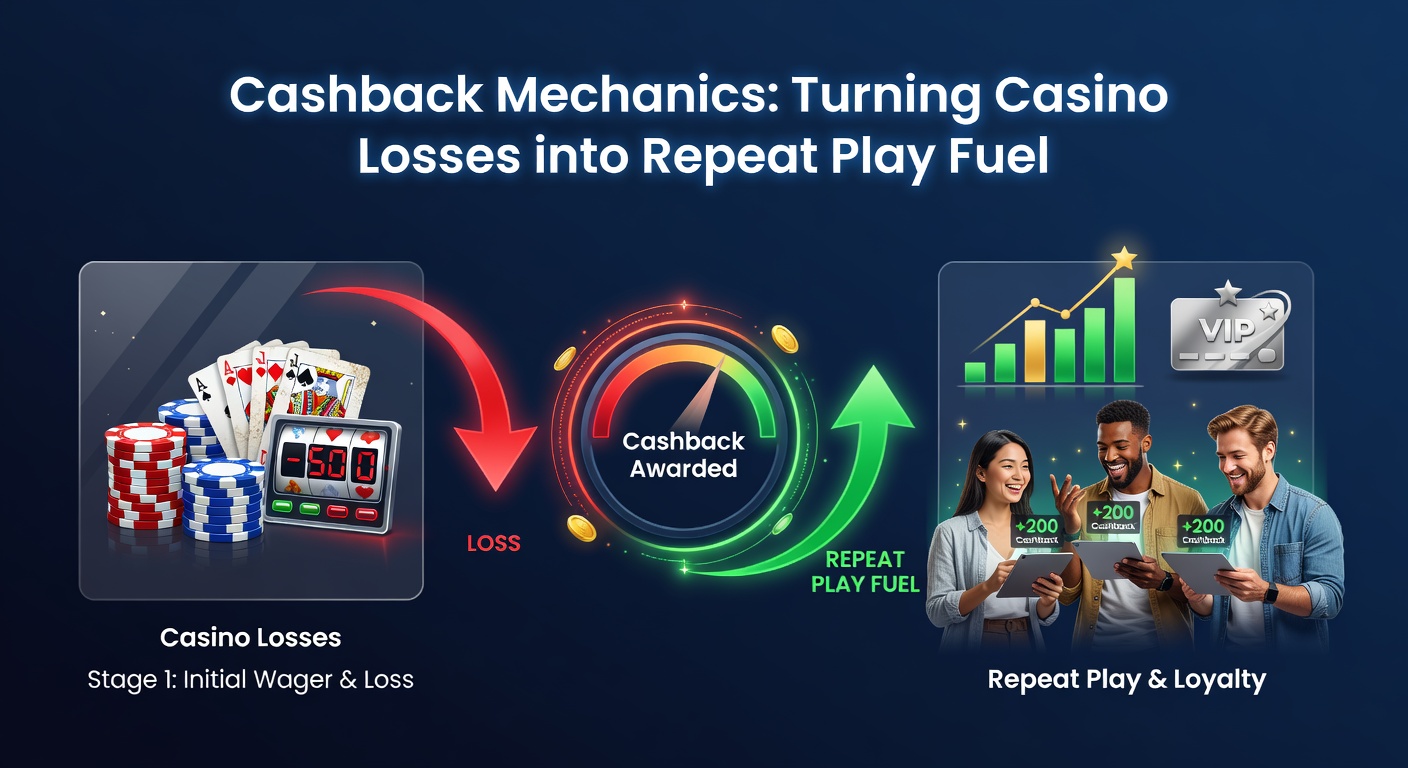
Operators fine-tune cashback to balance generosity and profitability, using algorithms that assess player value before issuing rebates; high-volume losers might snag 15% uncapped, but low-stakes grinders get tiered limits, ensuring the program targets whales who generate 80% of gross gaming revenue. Experts who've dissected promo data point out how A/B testing refines rates—say, pitting 10% versus 12%—yielding 18% uplift in active days per user, all while house edges on redeemed funds preserve margins at 4-6%.
So platforms integrate cashback with CRM tools, sending personalized alerts like "Redeem your 12% loss rebate now," which spike logins by 45%; one case saw a mid-tier online casino lift quarterly retention from 62% to 78% after rolling out tiered cashback in early 2025. That's where the rubber meets the road: these mechanics don't erase losses but recycle them into loyalty glue, keeping tables and reels spinning.
Regulatory Views from Around the Globe
Regulators worldwide scrutinize cashback to curb addiction risks while allowing retention tools; the Alcohol and Gaming Commission of Ontario mandates clear disclosure of terms, like wagering playthroughs, and caps rebates at 20% for certain demographics, data showing this cuts problem play signals by 15%. Down under, Australia's Productivity Commission reports highlight how mandatory loss limits pair with cashback, preventing rebates from masking excessive wagering, although operators there report 22% retention gains without spiking complaints.
In the US, Nevada's Gaming Control Board tracks cashback via compliance audits, revealing 92% of Strip properties use it, tied to responsible gaming prompts that activate post-rebate; figures from 2025 show this combo holds participation steady at 48% repeat rates. EU bodies like Malta's Gaming Authority enforce 24-hour cooling periods after high rebates, balancing player protection with industry viability, as evidenced by stable complaint volumes amid rising promo adoption.
Real-World Case Studies and Examples
Take one prominent online platform that launched a 15% weekly cashback in 2024; player logs showed a 32% jump in monthly active users, with average deposits rising 19% as rebates lured back lapsed accounts, per internal metrics shared at industry conferences. Another example involves a US tribal casino network introducing tiered cashback—5% bronze, 20% platinum—which trimmed churn by 25%, especially among locals who redeemed on-site slots, turning Friday night losses into weekend fuel.
Yet in Australia, a regional operator faced pushback after uncapped cashback drew complaints, prompting a pivot to 10% with 5x wagering; post-adjustment data indicated sustained 70% redemption while complaints fell 40%. These cases underscore how tweaks align mechanics with local rules, ensuring losses convert reliably to repeat play without overreach.
Emerging Trends Heading into April 2026
By April 2026, cashback evolves with AI personalization; platforms forecast rebates based on play history, offering 18% to roulette fans during slumps, boosting engagement 28% in beta tests from late 2025. Blockchain integration promises transparent tracking, where smart contracts auto-issue rebates, cutting disputes by 35% according to pilot data from EU operators. Mobile-first twists, like instant daily cashback on apps, draw millennials, with projections showing 55% of redemptions via phones amid rising remote play.
And crypto casinos push provably fair cashback at 25%, appealing to tech-savvy users, while VR venues experiment with immersive rebate wheels that gamify recovery. Observers expect global adoption to hit 85% of sites, fueled by retention data proving the cycle's endurance.
Conclusion
Cashback mechanics stand as a proven engine for converting casino losses into sustained play, with data across regions affirming retention lifts of 20-40% through structured rebates that extend sessions and reward loyalty; operators who master tiers, caps, and personalization keep the momentum, while regulators enforce transparency to safeguard users. As April 2026 approaches, AI and tech infusions promise sharper targeting, solidifying this tool's role in the gaming ecosystem, where losses don't end play but propel it forward.