Decoding Loyalty Programs: How Reward Tiers Influence Long-Term Casino Participation
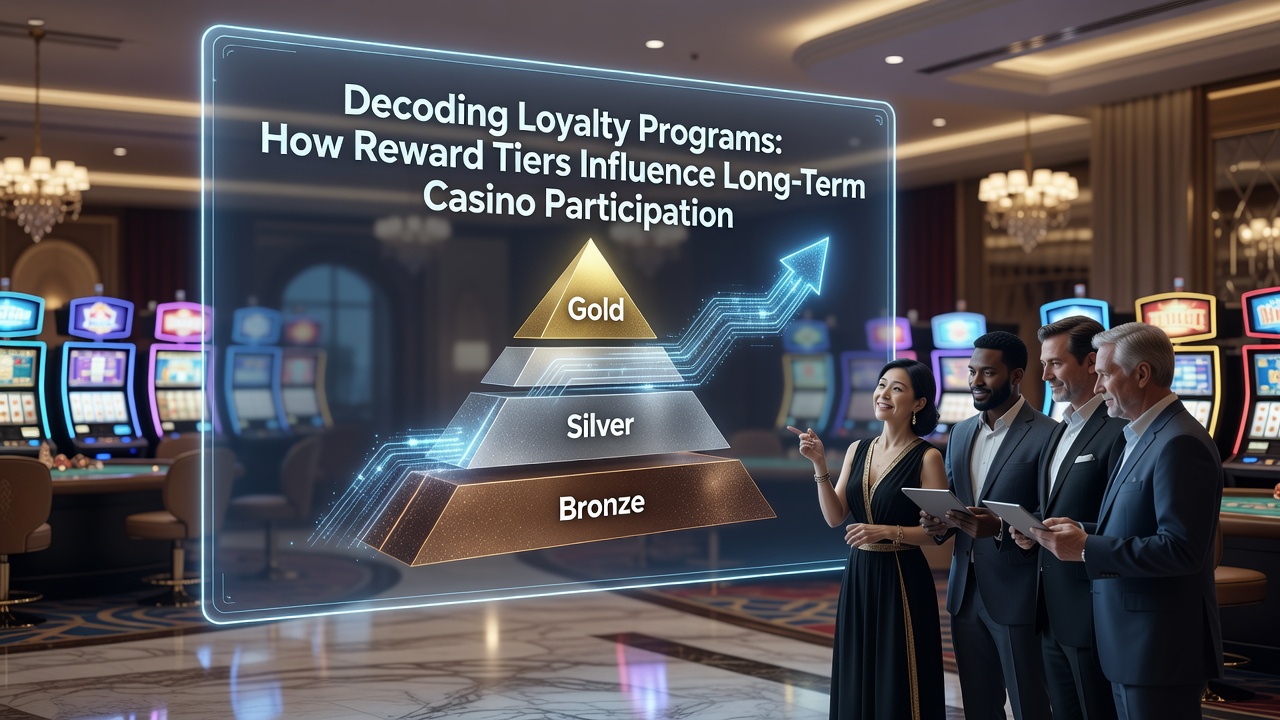
Casino loyalty programs operate through structured reward tiers that track player activity and deliver escalating benefits based on accumulated points or spend, and these systems shape how participants engage over extended periods. Operators segment players into levels such as basic entry tiers through premium status brackets, where each step unlocks additional perks including enhanced cashback percentages, complimentary rooms, priority event access, and personalized offers. Data from industry analyses shows that players who reach higher tiers tend to increase their visit frequency and average wager amounts to maintain status, because losing tier privileges often resets accumulated advantages.
Structure of Typical Reward Tiers
Most casino loyalty frameworks begin with an entry-level status that requires minimal activity yet provides basic earning rates on slots, table games, and other offerings. Advancement to mid-level tiers demands consistent play over a defined period, usually tracked through card swipes or digital accounts, while top tiers demand substantial annual or quarterly volumes. According to reports compiled by the American Gaming Association, tier progression correlates with measurable upticks in player retention rates because the psychological investment in status encourages continued participation even during losing streaks. Players receive tier-specific multipliers on points, access to exclusive promotions, and sometimes dedicated hosts who arrange tailored experiences, all of which reinforce habitual attendance.
Mechanisms Driving Sustained Engagement
Reward tiers function by creating clear milestones that convert one-time visitors into repeat customers through progressive incentives. A player who achieves silver status, for instance, gains 25 percent more points per dollar wagered compared with entry level, along with occasional free-play credits that must be redeemed on-site. This structure prompts individuals to consolidate their activity at a single property rather than spreading play across competitors, since points rarely transfer between operators. Research from academic sources including studies conducted at the University of Nevada, Reno indicates that tiered systems extend average customer lifespan by aligning rewards with behavioral patterns such as seasonal travel or weekend visits. Those who study participation metrics note that the fear of status demotion at the end of a qualification period often triggers concentrated play sessions in the final weeks, boosting short-term revenue while locking in longer-term loyalty.
Evidence from Participation Data
Figures released by regulatory bodies in various jurisdictions reveal consistent patterns. In Nevada, where the Gaming Control Board monitors operator filings, properties with mature tier programs report higher percentages of total handle generated by loyalty members compared with non-members. Similar observations appear in Canadian provincial reports where tier benefits tied to video lottery terminals correlate with steadier year-over-year participation among enrolled players. What's interesting is how these programs adapt qualification windows; some operators now use rolling 12-month periods rather than calendar years, allowing players to recover from slow months without immediate demotion. This flexibility sustains engagement during economic fluctuations or personal schedule changes.
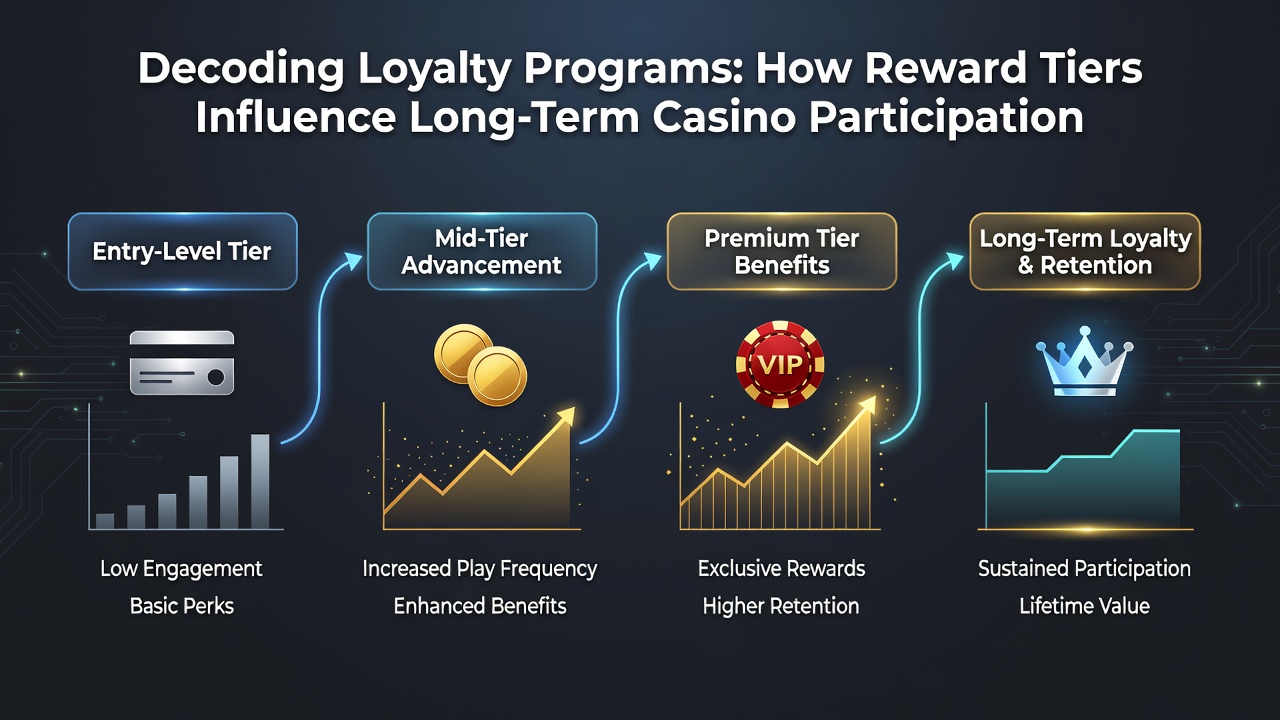
Operators also layer experiential rewards on top of monetary ones. Platinum or diamond members frequently receive invitations to private tournaments, culinary events, or concerts that create social bonds with the venue. These non-gaming perks matter because they transform the casino visit into a broader lifestyle element rather than a pure transaction. Data collected across multiple markets shows that participants who redeem such experiential rewards demonstrate longer gaps between visits yet return with higher overall spend once they re-engage, suggesting the tier system influences both frequency and intensity of participation.
Adjustments Observed Around Mid-2026
By July 2026 several large operators introduced modifications to their tier qualification thresholds and benefit structures in response to shifting player demographics. Changes included adding hybrid online-offline earning options for affiliated apps and adjusting point expiration policies to reduce attrition among mid-tier players. Industry observers tracking these updates note that such tweaks aim to balance operator costs against retention goals, because overly generous top-tier benefits can erode margins while stingy lower tiers fail to motivate progression. Participants who monitor their accounts closely often adjust playing patterns accordingly, concentrating activity during promotional windows that accelerate tier advancement.
Comparative Impact Across Player Segments
Younger adults and older demographics respond differently to tier incentives. Data indicates that digital-native players value instant mobile notifications about tier progress and flash offers, whereas traditional visitors respond more strongly to tangible comps such as hotel stays or dining credits. Programs that segment communications by age and historical behavior achieve higher engagement lift, according to analyses from trade associations in Australia and the United States. Those who've examined churn rates find that players who hover near tier thresholds represent the highest opportunity for targeted interventions, because small additional incentives can push them across qualification lines and secure another year of elevated activity.
Conclusion
Reward tiers within casino loyalty programs create measurable pathways that convert sporadic visitors into consistent participants by aligning escalating benefits with sustained play volumes. Operators refine these structures periodically, incorporating data on redemption patterns and demographic preferences to optimize both retention and revenue. As qualification mechanics evolve, the underlying dynamic remains consistent: structured recognition of cumulative activity encourages players to maintain relationships with specific properties over time rather than migrating elsewhere.