Diverse Regulatory Frameworks Shaping Online Casino Operations Throughout Europe
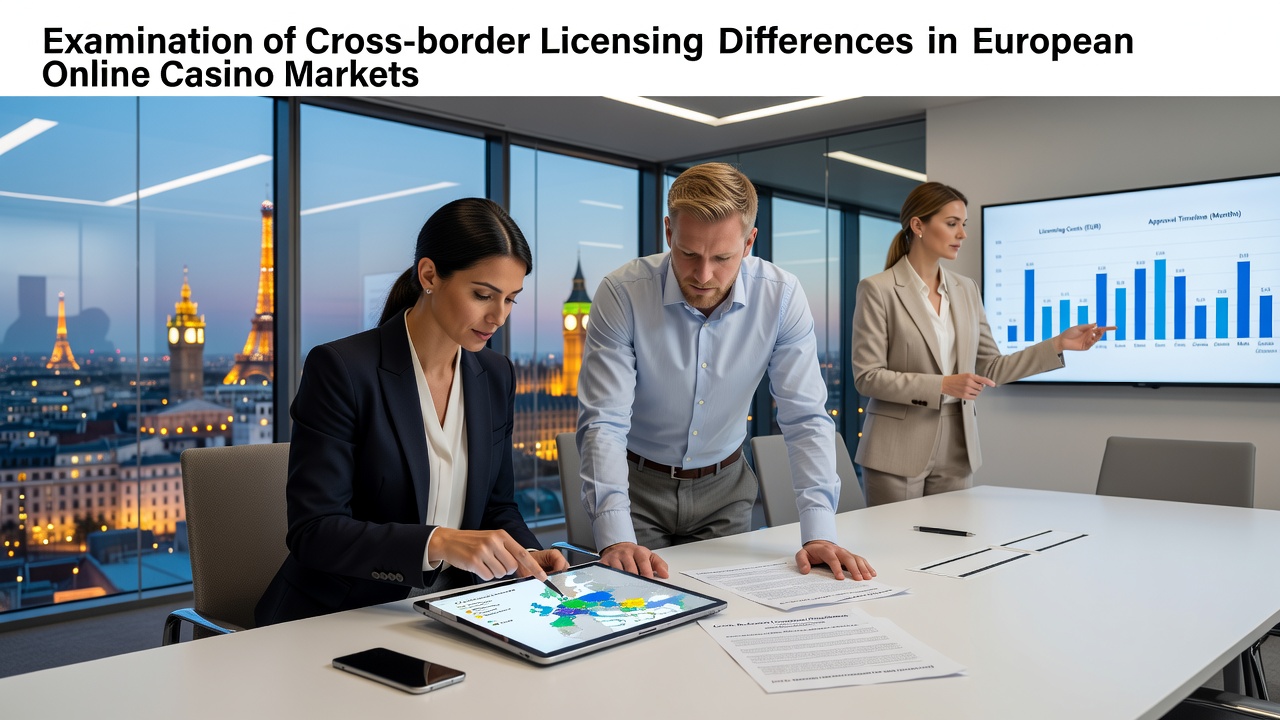
European online casino markets operate under a patchwork of national licensing systems rather than any unified continental framework, and operators must navigate separate requirements in each jurisdiction where they seek to offer services. Malta has long positioned itself as a hub through its Malta Gaming Authority, which grants licenses that permit activity across multiple EU states, yet many countries still demand additional local approvals to ensure compliance with domestic tax rules and consumer protection standards. Germany introduced its Interstate Treaty on Gambling in 2021, which established strict licensing for sports betting and casino games while limiting advertising and deposit options, and this system continues to evolve with enforcement actions reported into 2026.
Sweden maintains a regulated monopoly-style market through the Swedish Gambling Authority, where only licensed entities can target Swedish players, and foreign operators without local approval face blocking measures on payment processors. The Netherlands opened its market in 2021 via the Kansspelautoriteit, requiring operators to secure Dutch licenses that impose responsible gambling tools and advertising restrictions, while cross-border play from unlicensed sites remains prohibited. Observers note that these variations create significant barriers because a license valid in one country rarely transfers automatically to another, forcing companies to maintain multiple compliance teams and separate legal entities.
Key Variations in Licensing Criteria Across Member States
Licensing criteria differ sharply in areas such as taxation, player verification, and game approval processes, and these differences directly affect how operators structure their services. Some jurisdictions apply revenue-based taxes that can exceed 20 percent, whereas others focus on licensing fees combined with lower ongoing levies, and operators must adjust pricing models accordingly. Data from industry reports shows that July 2026 marks the scheduled review of certain EU digital single market proposals that could influence future harmonization efforts, although no binding cross-border license has been implemented yet.
Player protection rules also diverge, with some states mandating centralized self-exclusion databases while others rely on operator-level systems, and these inconsistencies complicate efforts to serve users who travel or use VPNs. Researchers at various academic institutions have documented cases where operators holding a Maltese license still encountered legal challenges when marketing to residents of stricter markets like Germany or Poland without obtaining additional permissions.

Challenges for Operators Seeking Multi-Market Presence
Companies attempting to expand across borders face repeated application processes, each with its own language requirements, financial guarantees, and technical audits, and this multiplies operational costs substantially. Payment service restrictions add another layer because some countries block transactions with foreign-licensed providers, forcing reliance on local banking partners that demand separate certifications. The European Gaming and Betting Association has published analyses indicating that these fragmented rules contribute to a significant share of player activity shifting toward unregulated platforms despite enforcement efforts.
Yet several member states have begun exploring mutual recognition agreements on a bilateral basis, and data indicates limited pilot programs between Nordic countries that allow shared player verification data while maintaining separate tax collection. Such arrangements remain rare, however, and most operators continue to treat each market as an independent project requiring dedicated legal review. In July 2026 regulators from several central European states plan to convene discussions on potential standardization of age verification standards, which could reduce duplication if adopted more widely.
Impact on Market Access and Consumer Options
Consumers encounter different game selections and bonus structures depending on their country of residence because licensing conditions dictate which titles receive approval and how promotional offers must be presented. Markets with tighter rules often see fewer international game providers entering, while more open jurisdictions attract broader portfolios. Studies from research institutions reveal that cross-border players sometimes use multiple accounts across licensed sites to access preferred features, although this practice carries compliance risks when detected by monitoring systems.
Enforcement mechanisms also vary, with some authorities employing domain blocking and ISP-level restrictions while others focus on advertising prohibitions and financial penalties, and operators must monitor these tactics continuously to avoid service interruptions. The absence of a single European license means that even established brands maintain country-specific websites and customer support teams tailored to local regulations.
Conclusion
Cross-border licensing differences in European online casino markets stem from sovereign regulatory choices that prioritize national control over gambling activity, and this structure shows no sign of wholesale replacement by a unified system in the near term. Operators adapt through specialized compliance strategies while consumers experience varying levels of access based on location, and ongoing reviews scheduled around July 2026 may introduce incremental adjustments without eliminating core variations. Those tracking developments at bodies such as the European Gaming and Betting Association and national authorities continue to document how these frameworks shape both business models and player behavior across the continent.