Exposed: Illegal Casino Network Targets Vulnerable UK Gamblers Bypassing GamStop Self-Exclusion
Exposed: Illegal Casino Network Targets Vulnerable UK Gamblers Bypassing GamStop Self-Exclusion

The Joint Investigation Unveils a Hidden Empire
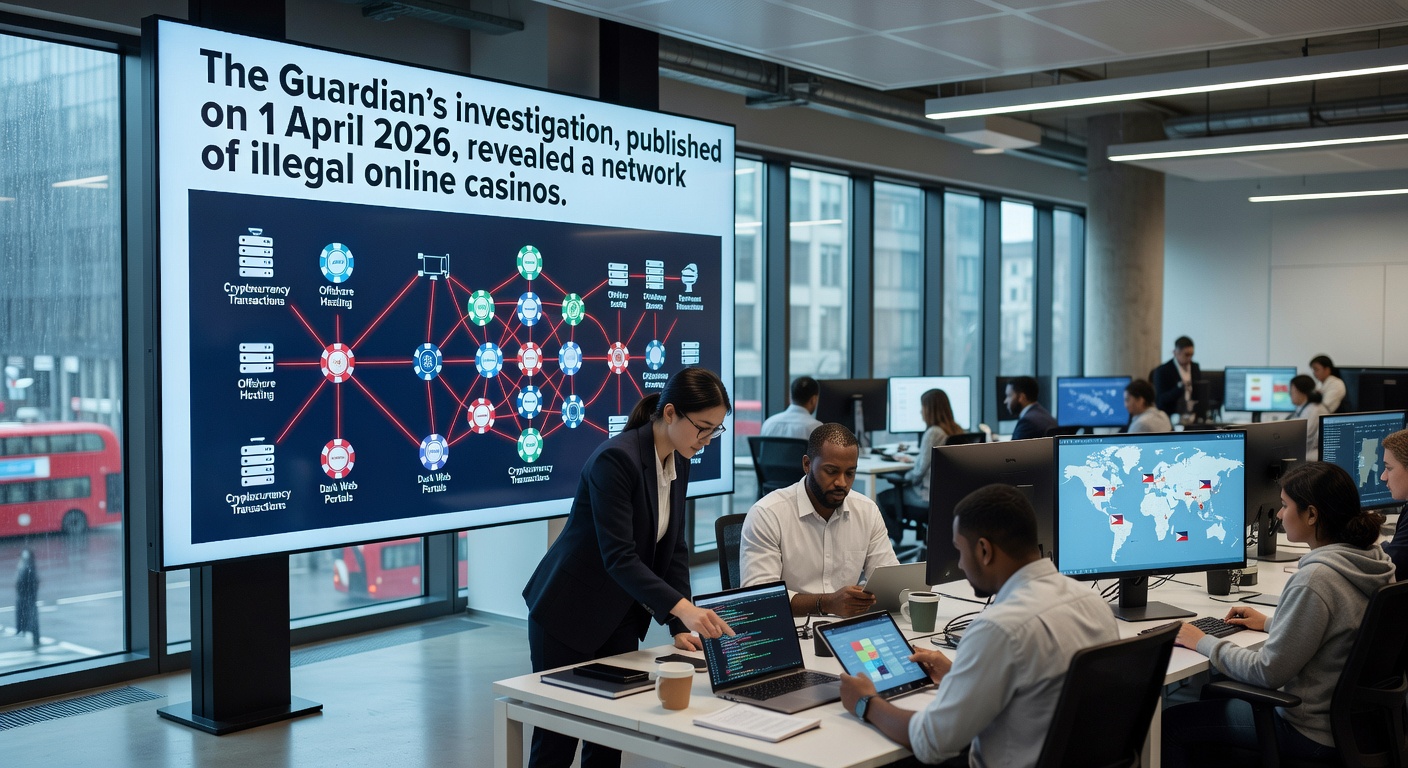
A collaborative probe by The Guardian and Investigate Europe has laid bare a sprawling network of at least eight illegal online casinos, all run by Santeda International out of Curaçao without any license from the UK Gambling Commission; these platforms zero in on vulnerable UK gamblers who've opted into GamStop self-exclusion, luring them through affiliates that hype up "not on GamStop" sites promising easy access around barriers meant to protect players.
What's interesting here is how these operations slip through cracks, operating beyond UK jurisdiction yet pulling in massive British traffic; data from the investigation shows an average of 2.3 million unique UK visitors per month across these sites between November 2025 and January 2026, numbers that paint a picture of widespread exposure even as regulators tighten rules.
Observers note the sophistication involved, with affiliates—often influencers or marketing outfits—promoting these casinos via social media, emails, and SEO tricks that dodge GamStop's national self-exclusion scheme; GamStop, launched to shield problem gamblers by blocking licensed UK sites, leaves a gap that unlicensed foreign operators exploit ruthlessly.
Key Players and Connections in the Network
Central to this web sit brands like MyStake, Velobet, Goldenbet, and Rolletto, all tied back to Santeda International's Curaçao base where licensing standards fall short of UK requirements; these sites offer slots, sports betting, and table games, mimicking legitimate casinos but without oversight from the Gambling Commission, which mandates strict player protections, fairness audits, and responsible gambling tools.
Turns out the threads lead to Georgian businessmen, including Tornike Tvauri, connected through Upgaming—the software provider powering the platforms' backends; Upgaming handles everything from game integration to payment processing, enabling seamless operations that funnel UK punters' money offshore, often via crypto or e-wallets to evade tracing.
One case highlighted in the probe involves affiliates earning commissions—up to 50% of referred players' losses—pushing these sites aggressively; researchers tracked promotions on Telegram channels, YouTube reviews, and forums where self-excluded gamblers seek alternatives, creating a pipeline that data indicates sustains the network's profitability.
And while Curaçao's license might impress newcomers, experts point out it lacks the rigor of UK standards, allowing practices like unlimited bonuses that hook players deeper; the reality is these casinos thrive on volume, with UK visitors comprising a huge chunk of their audience despite geo-blocking attempts by some ISPs.
Gambling Harms Amplify as Losses Mount
Figures from the investigation reveal severe fallout, including widespread financial devastation for UK players who, having self-excluded from licensed sites, turn to these alternatives only to face unchecked addiction risks; reports detail cases of depleted savings, mounting debts, and ruined credit scores, all exacerbated by the absence of deposit limits, reality checks, or mandatory loss caps enforced on UKGC-licensed operators.
But here's the thing that hits hardest: a January 2026 suicide inquest directly blamed unlicensed "not on GamStop" sites, where the coroner cited their role in a gambler's spiral after self-exclusion failed to block access; this tragedy underscores broader patterns, with studies referenced in the probe showing self-excluded individuals three times more likely to chase losses on rogue platforms.
People who've analyzed traffic data observe spikes during evenings and weekends, times when vulnerability peaks; one expert breakdown estimates collective UK losses in the tens of millions over those three months, funneled straight to Curaçao accounts while players grapple with aftermaths like family breakdowns and mental health crises.
It's noteworthy that these sites often feature aggressive marketing—free spins for new UK sign-ups, cashback on losses—that preys on desperation; GamStop data corroborates the trend, noting a rise in queries from users discovering they've been ensnared despite exclusions.
MPs Rally for Crackdown Using Fresh Powers
UK politicians have sounded alarms loud and clear, with Labour's Alex Ballinger and Conservative Iain Duncan Smith leading calls for the Gambling Commission to wield new domain-blocking and IP-blocking authorities; these tools, bolstered by a £26 million funding injection announced in the November 2026 budget, aim to sever access at the source, much like blocks on unlicensed iGaming already in place across parts of Europe.
Ballinger, chair of a parliamentary group on gambling harms, described the network as a "clear and present danger" in statements post-investigation, urging immediate enforcement; Duncan Smith echoed this, highlighting how the sites undermine GamStop's £40 million investment and the 500,000-plus users relying on it.
Now, with the Gambling Act reforms live as of early 2026—including affordability checks and stake limits on slots—the Commission eyes expanding blocks to cover the 2.3 million monthly exposures; trials in jurisdictions like Sweden and Ontario show blocking cuts traffic by 70-90%, offering a blueprint for UK action.
That said, challenges persist: VPNs let savvy users bypass blocks, and affiliates adapt quickly with new domains; yet data from the probe suggests sustained enforcement could slash visitor numbers significantly, protecting those GamStop aims to safeguard.
Experts who've tracked similar networks abroad note that international cooperation—via bodies like the Curaçao eGaming regulator or Interpol—becomes crucial; the ball's in regulators' court now, especially as April 2026 reports indicate the first blocklist updates targeting Santeda-linked IPs.
Broader Implications for UK Gambling Landscape
This exposure arrives amid a regulatory pivot, where the Gambling Commission's 2026 priorities emphasize offshore threats; annual reports show unlicensed sites accounting for 15-20% of UK gambling activity, a figure the investigation's traffic stats reinforce starkly.
Take one affiliate dismantled in prior probes: it redirected 10,000 UK searches monthly before shutdown, hinting at the scale; researchers predict that if MPs' urgings lead to blocks, legitimate operators might see a traffic rebound, as self-excluded players lack safe alternatives.
So while the network persists—for now—moves like the budget boost signal momentum; observers watch closely as the Commission lists MyStake and kin, potentially reshaping how UK punters navigate self-exclusion gaps.
It's not rocket science: stronger borders online mean fewer harms, and with 2.3 million visitors exposed recently, the stakes couldn't be higher.
Conclusion
The Guardian and Investigate Europe's findings spotlight a brazen operation preying on UK vulnerabilities, linking Curaçao casinos to Georgian backers via Upgaming while racking up 2.3 million monthly UK hits; harms from losses to that tragic inquest demand action, and with MPs pushing blocks backed by £26 million, the Gambling Commission holds tools to disrupt it.
Ultimately, this story underscores GamStop's limits against offshore foes, yet points to enforcement as the path forward; as April 2026 unfolds, updates on domain takedowns will test regulators' resolve against networks that don't play by UK rules.