Inside Progressive Jackpot Networks: Mechanics and Payout Distribution Explained
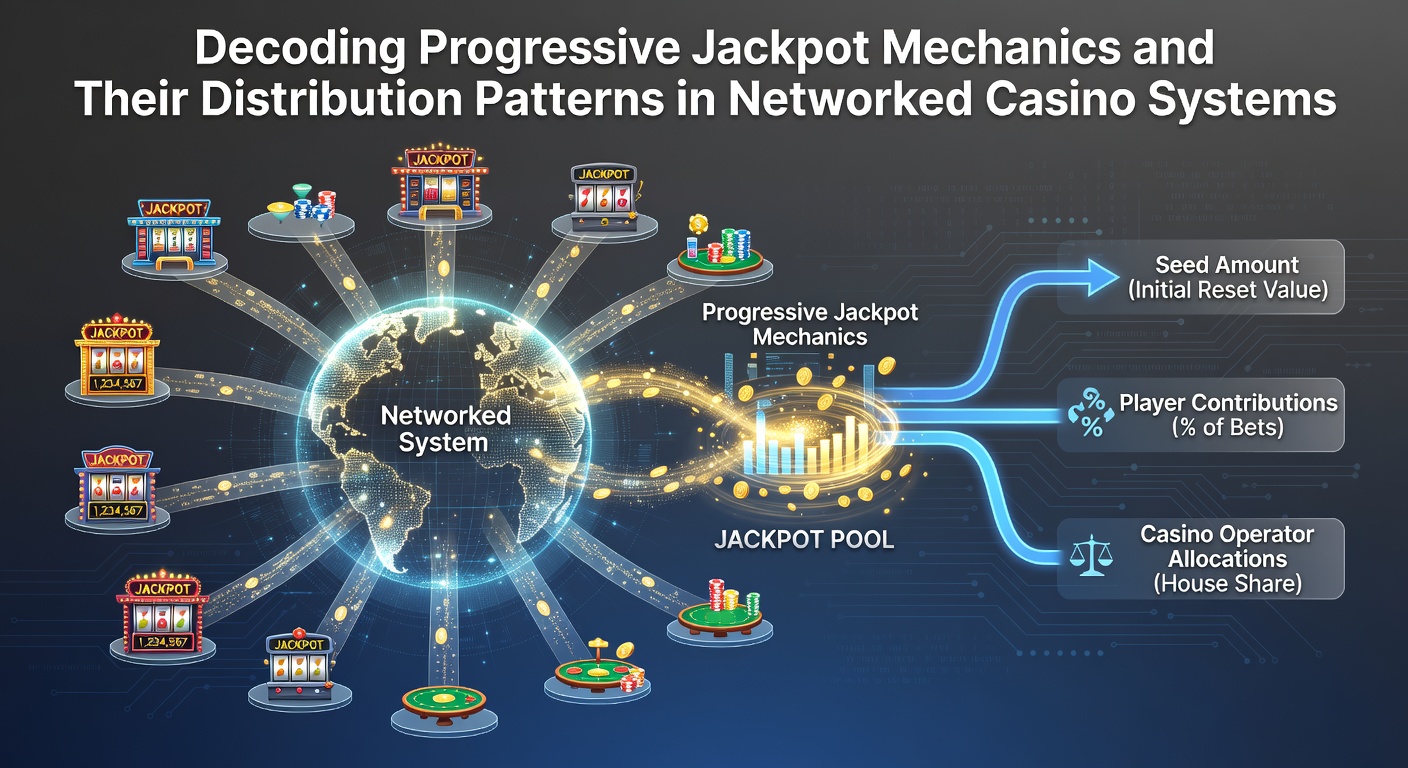
Networked casino systems connect slot machines and gaming terminals across multiple locations so that a portion of every bet feeds into a shared progressive jackpot pool, and this structure creates the large payouts that define these games. The mechanics start with a base seed amount set by the operator, after which each wager on linked machines contributes a small percentage to the growing total while the system tracks contributions in real time through centralized servers.
Core Components of Progressive Jackpot Mechanics
Each participating machine sends data to a central controller that calculates the current jackpot value, and the controller updates displays across the network every few seconds so players see the rising amount. Software algorithms determine the contribution rate, which typically ranges from 0.5 to 2 percent of each bet depending on the game configuration, while independent random number generators decide when a jackpot triggers rather than relying on accumulated totals alone. Operators must maintain strict separation between the random trigger mechanism and the prize pool to comply with technical standards set by gaming laboratories.
Distribution Patterns Across Linked Platforms
Distribution follows either local area progressives confined to a single casino or wide area progressives that span multiple venues and sometimes different operators. Wide area systems require secure communication protocols that encrypt transaction data between sites, and these protocols help prevent tampering while ensuring every contribution reaches the central pool accurately. Data from regulatory testing shows that hit frequencies for major jackpots often fall between one in 10 million and one in 50 million spins on wide area setups, though smaller tiered jackpots within the same game trigger at much higher rates.
Technical Allocation Methods
Allocation occurs through predefined percentage splits when multiple jackpot levels exist, so a portion of contributions goes to the top prize while the remainder funds secondary awards. In June 2026 several North American networks introduced dynamic allocation engines that adjust contribution rates based on real-time pool size and player activity metrics, and these engines aim to keep jackpot growth steady without exceeding regulatory caps on prize liability. Observers note that such adjustments appear most often in systems covering more than 5,000 connected terminals.
Security and Verification Protocols
Independent testing agencies audit the random number generators and contribution tracking software before networks go live, and they conduct periodic rechecks to confirm ongoing compliance. Encryption standards such as AES-256 protect data in transit between machines and central servers, while audit logs record every transaction for dispute resolution. Research published by the Australian Gambling Research Centre examined contribution accuracy across multi-state networks and found error rates below 0.01 percent when operators followed established verification procedures.
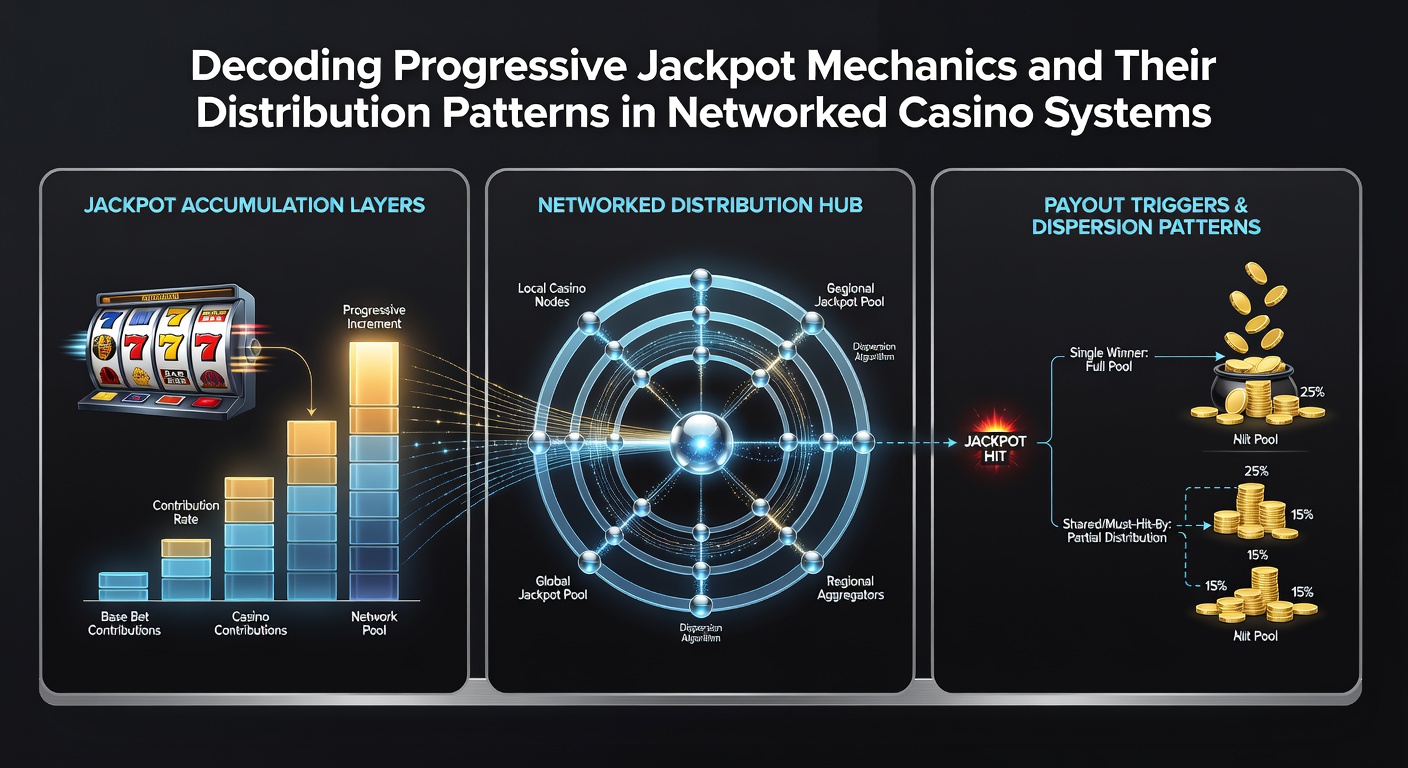
Geographic distribution patterns reveal that wide area jackpots tend to grow faster in regions with higher machine density, yet the probability of any single player winning remains governed by the same random trigger regardless of location. Some networks apply weighted contribution formulas that give slightly higher percentages to machines in lower-traffic areas to balance growth rates, and this approach helps maintain comparable jackpot sizes across the entire system.
Regulatory Oversight and Reporting Requirements
Gaming control boards in multiple jurisdictions mandate monthly reports detailing pool balances, contribution totals, and jackpot hits, and these reports must reconcile with independent meter readings from each connected terminal. The Nevada Gaming Control Board requires operators to maintain reserve funds sufficient to cover the current jackpot value at all times, and similar reserve rules appear in Canadian provincial regulations as well. Compliance teams use automated reconciliation tools that flag discrepancies within minutes, allowing rapid investigation before payouts occur.
Future Developments in Network Architecture
By mid-2026 several providers began testing blockchain-based ledgers to record every contribution and trigger event in a tamper-evident chain, and early trials indicate faster dispute resolution because all parties can view the same immutable record. These systems still rely on certified random number generators for the actual win determination, so the core randomness element stays unchanged even as the tracking layer evolves. Industry reports suggest that adoption of such ledgers will expand first in markets already using centralized monitoring systems.
Conclusion
Progressive jackpot mechanics in networked casino systems depend on precise contribution tracking, certified random triggers, and secure data transmission across linked terminals, while distribution patterns reflect both local and wide area configurations that operators adjust through technical and regulatory controls. Ongoing audits, reserve requirements, and emerging verification technologies continue to shape how these networks allocate and verify payouts as of June 2026.