Interface Design Elements That Shape Decision Pathways in Remote Slot Environments
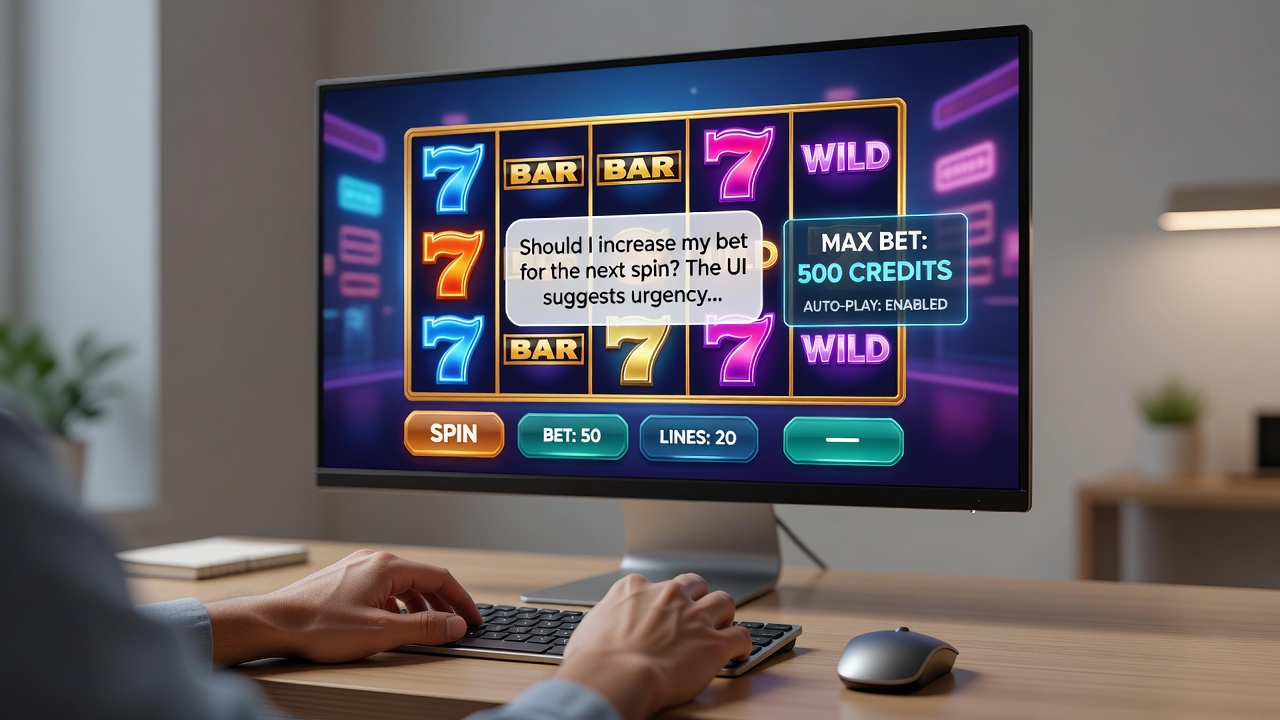
Remote slot platforms rely on carefully arranged visual components to direct how participants select bets, adjust settings, and determine session lengths. Researchers have documented patterns where button placement, color contrasts, and animation timing correlate with changes in wager frequency and risk tolerance levels. Data from multiple studies indicate that these design choices influence the speed at which users process information and commit to actions during gameplay.
Core Components of Slot Interfaces
Screen layouts in remote slot environments typically feature prominent spin buttons positioned at the lower right, bet adjustment sliders along the bottom edge, and paytable access icons in corner areas. Observers note that larger touch targets reduce hesitation times, while smaller or clustered controls extend decision intervals before each round begins. Color palettes often employ high-saturation hues for win notifications alongside muted tones for background elements, and evidence suggests these contrasts draw attention toward positive outcomes more readily than neutral displays.
Animation sequences for reel spins incorporate variable speeds and particle effects that activate upon symbol alignments. Studies conducted by academic teams have measured how prolonged celebratory sequences extend overall play duration, because participants remain engaged with the display rather than pausing to reassess their next action. Information panels that display current balance, recent win amounts, and remaining credits appear in fixed screen regions, allowing quick glances without disrupting the flow of repeated spins.
Decision Influences from Visual Cues
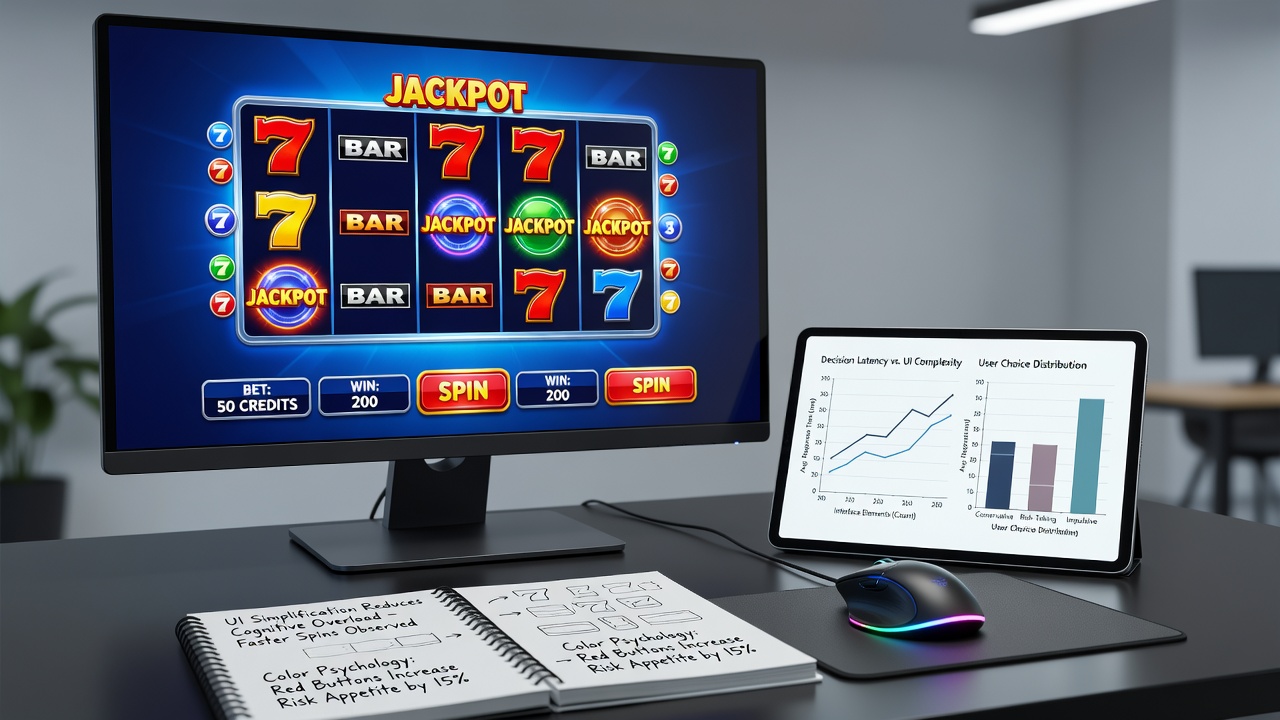
Placement of progressive jackpot meters at the top of the screen encourages upward eye movement and repeated attention checks, which researchers link to sustained engagement across multiple rounds. When these meters update in real time with incremental value increases, users show higher rates of continued play compared to static displays according to controlled observation trials. Sound integration tied to interface events, such as rising tones during near-miss sequences, further reinforces the visual feedback loop and affects the perceived momentum of the game.
Bet size selectors that default to mid-range options or highlight previous selections streamline the choice process, reducing the number of taps required before each spin. Figures from industry reports reveal that streamlined selection flows correlate with smaller incremental bet changes rather than large jumps, because the interface minimizes friction for repeated small adjustments. Mobile-optimized versions adapt these elements through responsive scaling, ensuring consistent tap accuracy across device sizes while maintaining the same decision sequence order.
Research Findings on Behavioral Patterns
Investigations from the University of Nevada Reno gaming laboratory have tracked eye movement data during remote slot sessions, showing that participants fixate longer on highlighted win zones and return to those areas more frequently after losses. This pattern emerges consistently across different age groups and experience levels, suggesting that interface emphasis on reward visuals guides attention allocation during sequential decisions. Similar patterns appear in reports from the Australian Institute of Family Studies, where layout variations were tested against session length metrics.
Regulatory frameworks in several jurisdictions now require clear display of return-to-player percentages within the main game view rather than in secondary menus. These requirements stem from observations that accessible probability information alters bet sizing behavior when presented alongside active controls. As of July 2026, updated standards in certain North American markets emphasize standardized iconography for autoplay limits and session timers, aiming to integrate these elements without interrupting the primary reel interaction flow.
Comparative Analysis Across Platforms
Desktop versions of remote slot titles often position additional statistics panels to the side of the reels, providing expanded data views that desktop users consult more often than mobile participants. Mobile interfaces compress these details into expandable overlays, which reduces visual clutter yet requires an extra interaction step before the information becomes available. Observers have recorded that this compression leads to fewer mid-session reviews of historical performance data on handheld devices.
Cross-platform consistency in core controls helps users transfer habits between devices, yet variations in animation timing across different providers produce measurable differences in spin cadence. One analysis from the European Gaming and Betting Association compared multiple operator implementations and found that faster reel-stop sequences associate with higher round completion rates within fixed time windows. These differences arise directly from how developers code the transition durations between states rather than from content variations alone.
Conclusion
Interface arrangements in remote slot environments operate through measurable relationships between visual hierarchy, control accessibility, and information presentation. Data collected across academic and regulatory sources demonstrate that specific design decisions correlate with shifts in action timing, bet adjustment frequency, and session continuation patterns. Continued examination of these elements provides insight into the mechanisms by which screen layouts structure participant choices during remote play.