Loyalty Framework Breakdowns in Digital Betting Environments: Retention Implications Explored
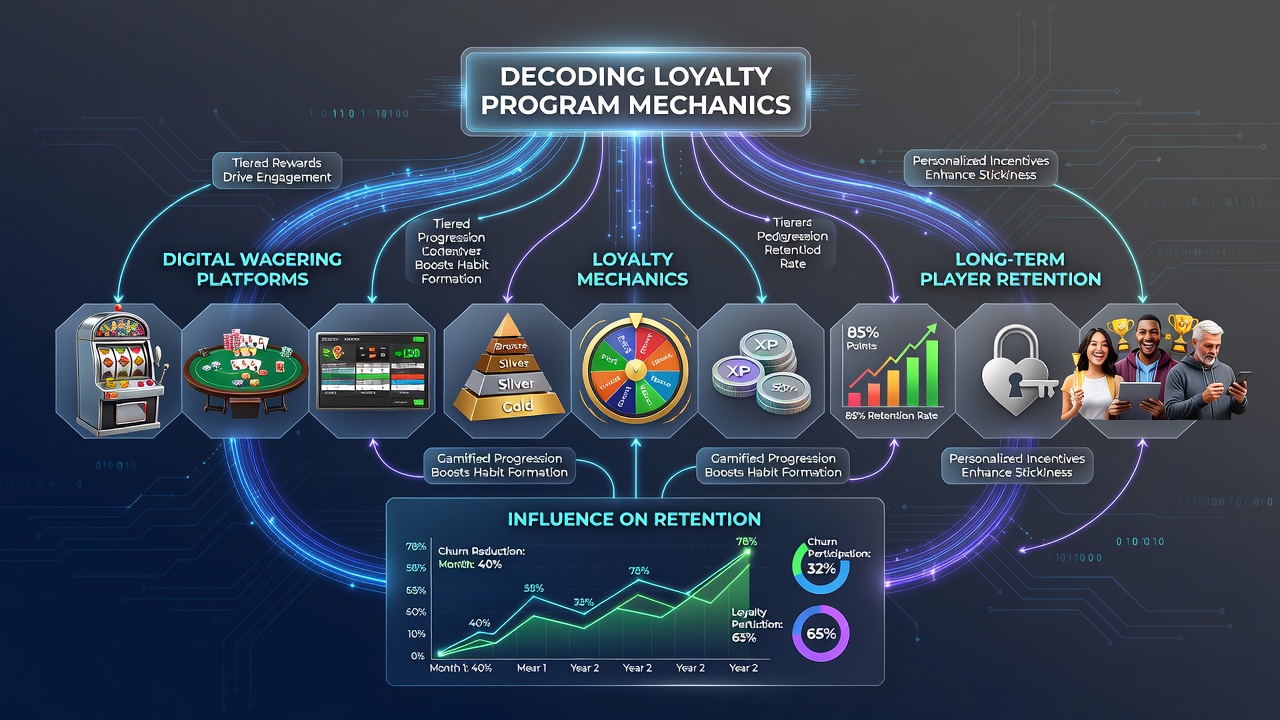
Digital wagering platforms structure loyalty programs around point accumulation systems that convert player activity into redeemable rewards, and these mechanics operate through standardized formulas where bets placed generate points at rates typically ranging from one point per dollar wagered on slots to lower ratios on table games. Operators define base earning rates in their program documentation while multipliers apply during promotional periods or for higher-tier members, creating layered incentive layers that encourage consistent participation across multiple game categories.
Core Components of Point Systems and Tier Structures
Points function as the foundational currency in these programs, with most platforms establishing clear conversion tables that translate accumulated totals into cashback percentages, free spins, or bonus credits, and thresholds for advancement between levels such as bronze through platinum often require specific point totals achieved within defined time frames like monthly or quarterly cycles. Data from industry tracking services shows that tier upgrades unlock enhanced benefits including reduced wagering requirements on bonuses and priority access to customer support channels, while demotion risks arise when activity falls below minimum thresholds during evaluation periods.
Redemption options vary widely across platforms yet commonly include direct cash equivalents at fixed ratios, tournament entries, or merchandise selections, and operators frequently impose expiration dates on unused points to maintain engagement momentum. According to analyses from the Responsible Gambling Council in Canada, structured point systems correlate with measurable differences in session frequency when compared across user cohorts.
Mechanics Driving Repeated Engagement Patterns
Many platforms incorporate daily login bonuses and streak multipliers that reward consecutive activity days, whereas milestone achievements trigger one-time payouts upon reaching cumulative bet volumes or game-specific targets, and these layered triggers create compounding effects where initial rewards feed into further point generation. Wagering contributions differ by game type, with video slots usually counting at 100 percent toward requirements while certain live dealer options contribute at reduced percentages, and this differentiation steers player behavior toward higher-margin offerings.
Seasonal campaigns in early 2026 introduced hybrid elements combining loyalty points with achievement badges that unlock exclusive game modes, and observers note that such integrations appear in updates scheduled around June 2026 on several major sites. These mechanics operate alongside standard terms that cap maximum redeemable amounts per period, preventing excessive payouts while sustaining perceived value for regular participants.
Retention Correlations Identified Through Platform Data
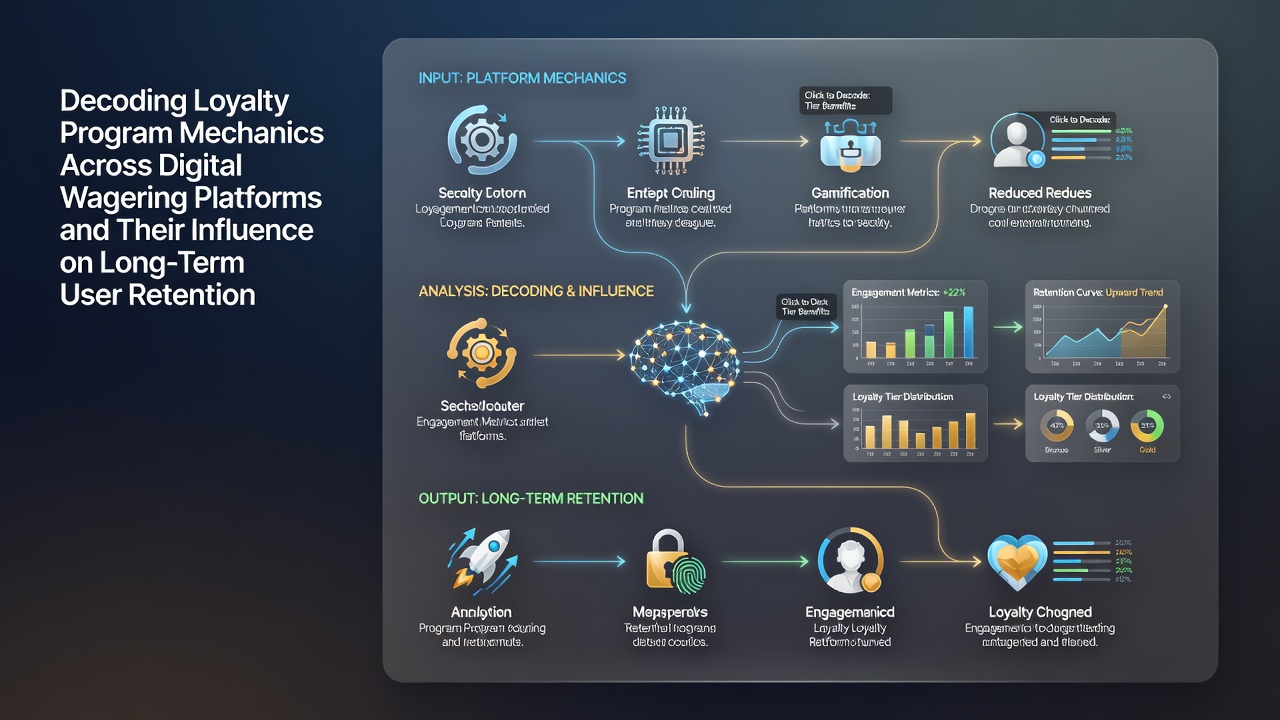
Studies conducted by research teams at institutions including the University of Nevada Reno have examined how tier status influences churn rates, revealing that players who reach mid-tier levels demonstrate extended account lifespans compared to entry-level participants, and this pattern holds across multiple jurisdictions when controlling for deposit frequency. Retention metrics improve when programs offer personalized goal tracking that displays progress toward next rewards in real time, which encourages incremental activity without requiring large single-session commitments.
Cross-platform comparisons indicate that programs with transparent progress dashboards retain users at higher rates during periods of market fluctuation, while those relying solely on automated emails show comparatively lower continuation rates according to aggregated figures from European gaming associations. The reality is that reward velocity, defined as points earned per unit of time, directly affects how quickly players perceive ongoing value and adjust their participation accordingly.
Regional Variations in Program Design
Platforms licensed in North American markets often emphasize cashback as the primary redemption vehicle, whereas European and Asian operators incorporate more experiential rewards such as event invitations or merchandise tied to specific game providers, and these design choices reflect differing regulatory environments around bonus structures. Australian regulatory reports highlight that mandatory disclosure of point expiration policies has influenced how programs present their terms to users, leading to clearer communication of ongoing requirements.
Integration with external loyalty networks appears in select jurisdictions where points transfer between affiliated sites, creating broader ecosystems that extend engagement beyond single platforms, and this approach has gained traction in markets where multi-site operators hold licenses. Data indicates that such expansions maintain retention advantages when transfer ratios remain competitive with standalone program benefits.
Conclusion
Platform operators continue refining these systems through iterative adjustments based on usage analytics, with upcoming modifications anticipated in June 2026 focusing on enhanced mobile tracking interfaces and dynamic reward personalization. Retention outcomes depend on alignment between earning mechanics, redemption accessibility, and user activity patterns across diverse game offerings, and ongoing monitoring by industry groups provides comparative benchmarks that inform future iterations without altering core operational frameworks.