Loyalty Programs and Their Influence on Retention in Digital Table Game Networks
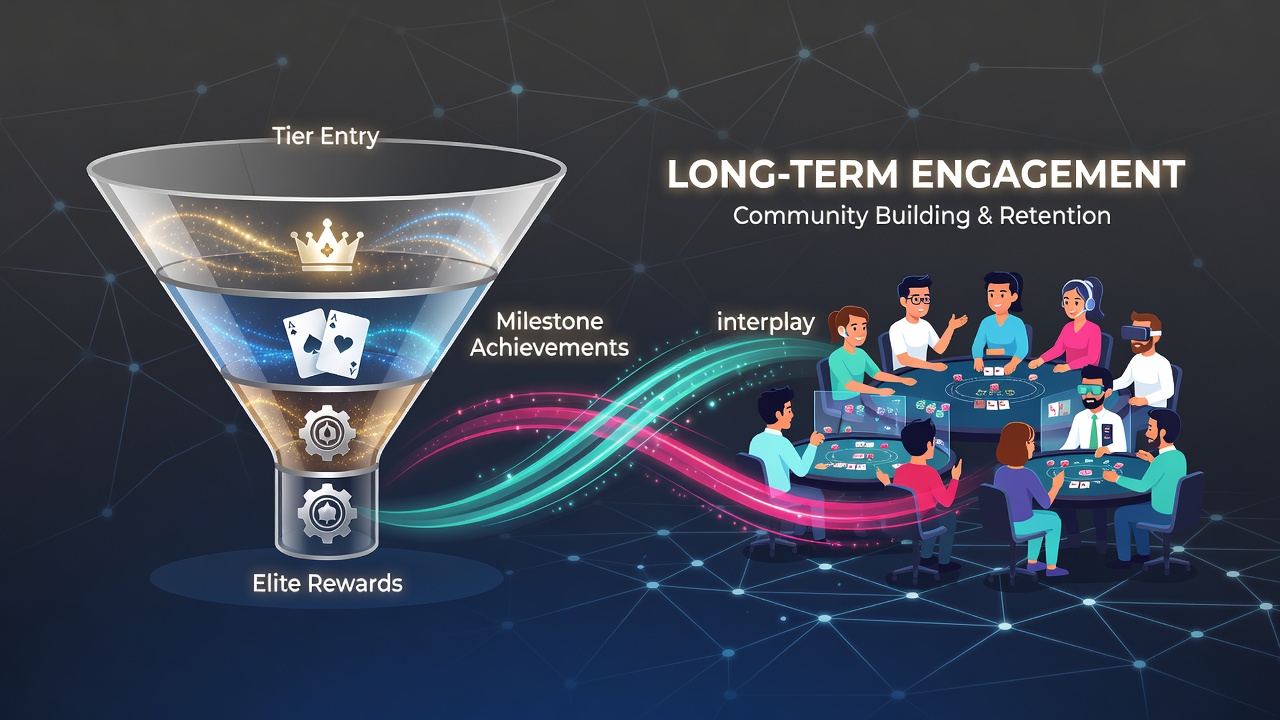
Virtual table game communities encompass online platforms where participants engage in games such as poker, blackjack, and roulette through digital interfaces, and loyalty programs operate as structured reward systems that track player activity to distribute benefits like bonus credits, exclusive tournament access, and tiered status levels. These mechanisms connect directly to engagement metrics because repeated play generates points that unlock privileges, encouraging users to maintain consistent participation over extended periods rather than sporadic visits.
Core Components of Loyalty Structures in Table Game Settings
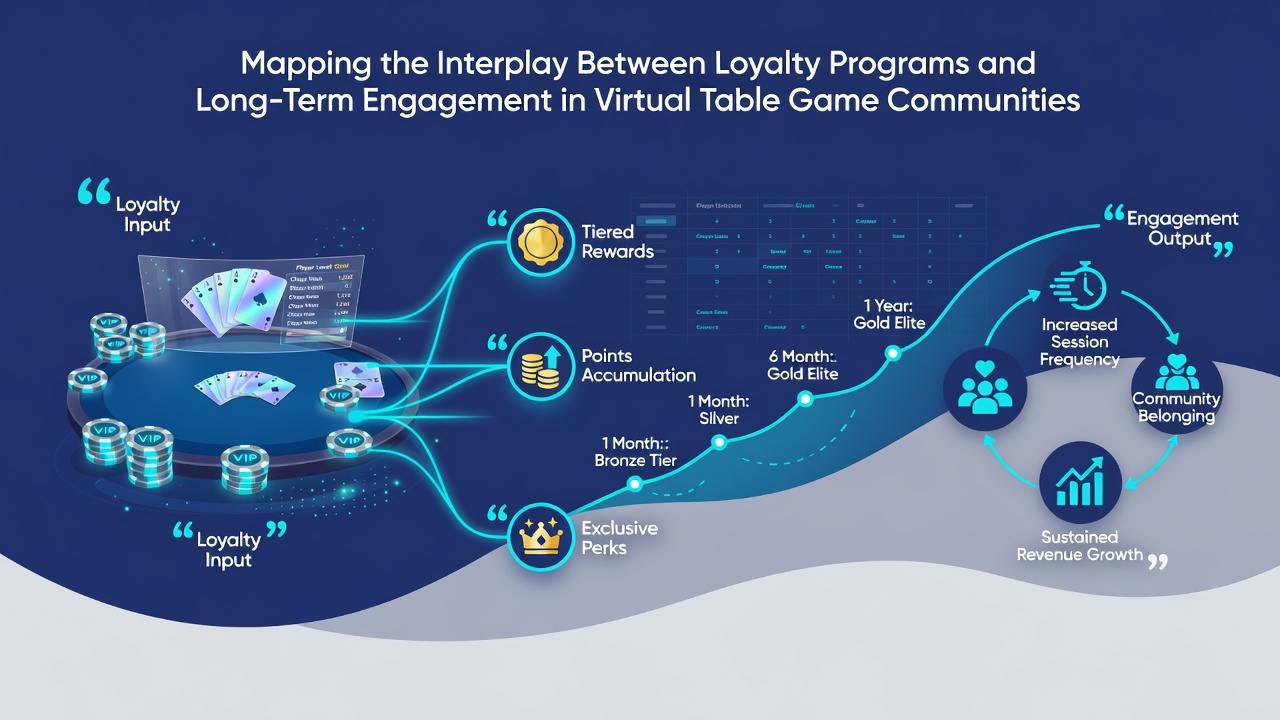
Points accumulation forms the foundation, with algorithms converting wager volume and session duration into redeemable rewards, while tier progression adds layers where higher activity thresholds grant multipliers on earnings plus personalized game invitations. Data from industry analyses show that participants in these systems log in more frequently when milestones approach, as the visible progress indicators create momentum that sustains involvement across weeks and months.
Integration with Community Features
Many platforms link loyalty rewards to social elements such as leaderboards, group challenges, and shared achievement celebrations, which amplify retention by fostering connections among players. When users receive recognition for collective milestones, they develop attachments both to the rewards and to the peer network, leading to prolonged membership durations according to platform usage statistics compiled in 2025.
Engagement Patterns Observed Across Platforms
Long-term data tracking reveals that loyalty participants exhibit higher session frequencies and extended playtimes compared with non-members, particularly in table game environments where skill development and social interaction intersect. Research indicates that reward redemption rates peak during seasonal events, prompting users to plan their activity calendars around upcoming promotions and thereby embedding the platform into regular routines.
Observers note that virtual communities built around table games often experience reduced churn when loyalty tiers incorporate non-monetary perks like avatar customizations or priority support access, because these elements strengthen personal investment without relying solely on financial incentives. In July 2026, updates to several major platforms introduced cross-game point pooling, allowing table game players to apply earnings toward slots or live dealer experiences and further broadening retention pathways.
Comparative Insights from Regulatory and Academic Sources
Reports issued by the Nevada Gaming Control Board document how loyalty tracking systems correlate with sustained player bases in regulated online environments, showing measurable increases in repeat engagement when reward structures emphasize transparency and achievable goals. Academic examinations from institutions in Australia similarly highlight that players who advance through multiple loyalty levels demonstrate stronger community affiliation, measured through forum activity and private group participation rates.
What's notable is the role of segmented rewards tailored to table game preferences, such as rakeback in poker communities or insurance bonuses in blackjack circles, which align incentives with specific gameplay styles and reduce migration to competing sites. Industry organizations report that these targeted approaches yield higher lifetime value per user when implemented alongside regular feedback loops where players influence upcoming reward offerings.
Challenges in Measuring Sustained Impact
Quantifying the exact contribution of loyalty programs requires isolating variables like game volatility and external competition, yet longitudinal studies consistently associate structured rewards with extended account activity spans. Platforms that refresh their loyalty catalogs periodically see renewed interest spikes, as fresh options prevent stagnation and maintain the perception of ongoing value.
Those who've analyzed player behavior across regions find that cultural differences influence reward preferences, with some markets responding more strongly to experiential perks while others prioritize direct credit returns. This variation necessitates flexible program designs that adapt to demographic data collected through ongoing platform analytics.
Conclusion
Mapping loyalty programs against engagement indicators in virtual table game communities demonstrates clear linkages through points systems, tier advancements, and integrated social features that collectively support longer participation timelines. Evidence from regulatory bodies and research institutions across multiple jurisdictions confirms these patterns persist into 2026, with platform updates continuing to refine reward mechanics for optimal alignment with user habits. Continued monitoring of these dynamics provides insight into how structured incentives shape community persistence without relying on unsubstantiated projections.