Mapping Irregularities in Live Dealer Roulette Statistics Across Europe's Varied Regulatory Landscapes
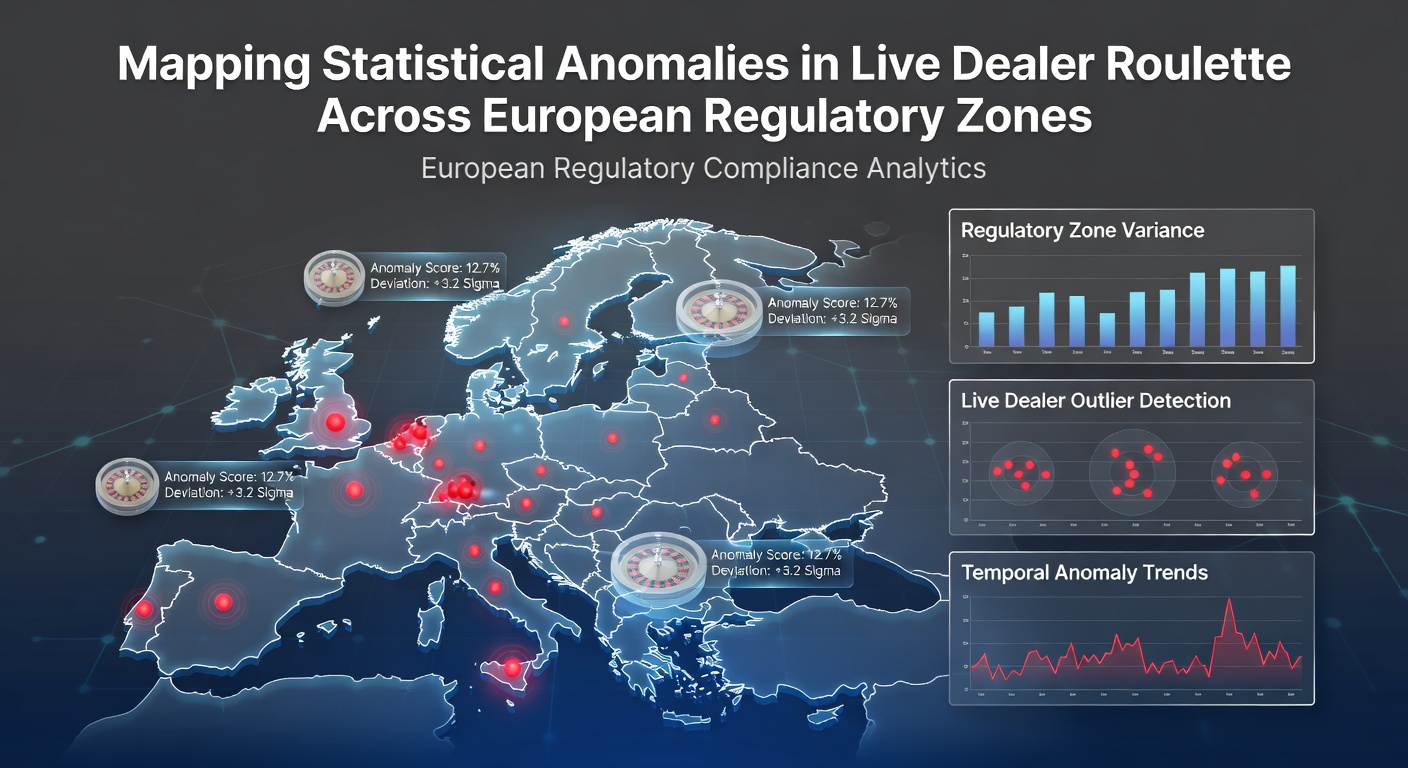
Live dealer roulette operates through physical wheels that introduce measurable variations in outcomes, and regulatory frameworks across Europe shape how operators monitor these patterns for compliance and integrity. Different jurisdictions apply distinct standards for random number verification, wheel calibration checks, and data reporting, which in turn influence the visibility of statistical deviations such as sector biases or spin sequence repetitions.
Researchers tracking roulette data have documented how wheel wear and manufacturing tolerances create detectable clusters in certain number ranges, yet oversight bodies require varying frequencies of independent audits to identify these issues. In jurisdictions with stricter calibration mandates, anomaly mapping relies on continuous sensor feeds that flag deviations exceeding established thresholds, while other regions permit less frequent inspections that allow subtle patterns to persist longer before intervention.
Regulatory Differences Shaping Data Collection
European zones maintain separate licensing criteria that dictate the granularity of statistical reporting from live dealer studios, and these rules determine whether operators must submit raw spin logs or aggregated summaries. Malta's framework emphasizes real-time monitoring protocols that capture every wheel revolution, enabling precise mapping of irregularities, whereas Germany's state-level controls focus on post-session variance analysis that highlights broader trends over multiple days.
Spain and Italy apply additional layers of third-party verification that cross-reference dealer actions with outcome distributions, creating datasets suited for identifying dealer-specific signatures alongside mechanical biases. Observers note that these varied approaches produce comparable yet non-identical anomaly profiles, because each regulator prioritizes different metrics when evaluating game fairness.
Technical Methods for Anomaly Detection
Statistical tools applied to live roulette streams include chi-square tests for uniformity and autocorrelation analysis for sequence dependencies, and operators integrate these methods according to local requirements. When regulatory zones demand higher sampling rates, software platforms log thousands of spins daily to generate heat maps that reveal persistent sector preferences, while zones with lighter oversight rely on periodic manual reviews that sample smaller datasets.
Advanced imaging systems now track ball trajectory and wheel speed in real time, and these feeds feed into algorithms that flag potential mechanical drift before it exceeds tolerance limits set by each authority. Studies from academic institutions have shown that combining velocity sensors with outcome databases improves early detection rates across multiple regulatory environments.

Impact of Oversight Intensity on Pattern Visibility
Zones enforcing frequent wheel resurfacing and random ball swaps reduce the duration of detectable biases, yet they simultaneously generate richer longitudinal data that reveals how quickly new anomalies emerge. In contrast, regulatory areas allowing extended equipment cycles produce datasets where cumulative deviations become statistically significant over longer periods, aiding retrospective mapping efforts.
Industry reports compiled by the European Gaming and Betting Association highlight how data sharing agreements between operators and regulators vary, with some zones mandating anonymized public summaries that support cross-border anomaly comparisons. These summaries enable analysts to contrast deviation frequencies between high-oversight and moderate-oversight markets without disclosing proprietary operational details.
Developments Expected by May 2026
Updated harmonization guidelines scheduled for rollout in May 2026 aim to standardize minimum sampling thresholds for live dealer roulette across participating European jurisdictions, and early pilot programs indicate these changes will expand the scope of comparable anomaly datasets. Regulators anticipate that unified reporting formats will facilitate more accurate continent-wide mapping of mechanical and procedural irregularities.
Academic collaborations with gaming laboratories have already begun testing enhanced sensor arrays that comply with the forthcoming standards, producing preliminary results that show improved resolution in identifying low-frequency deviations previously masked by differing national protocols.
Case Examples from Multiple Jurisdictions
One operator in a northern European market implemented continuous laser-based wheel monitoring after a regulatory directive, and subsequent analysis uncovered a recurring bias toward three adjacent numbers that prompted immediate equipment replacement. Similar interventions in southern zones relied on aggregated monthly reports rather than live alerts, resulting in delayed but still effective corrections once thresholds were breached.
Independent research published through university partnerships has examined how these jurisdiction-specific timelines affect player exposure to anomalies, finding that detection speed correlates directly with mandated audit intervals rather than inherent wheel characteristics.
Conclusion
Statistical anomaly mapping in live dealer roulette remains tightly coupled to the regulatory architecture of each European zone, because licensing conditions dictate data collection depth, audit frequency, and response protocols. As May 2026 approaches, anticipated standardization measures stand to refine cross-zone comparisons while preserving the distinct operational realities shaped by local oversight priorities. Continued integration of sensor technology and analytical methods will further support precise identification of deviations wherever physical wheels operate under regulated conditions.