Navigating Loyalty Structures in Digital Gaming Ecosystems: Patterns Across Player Retention Data
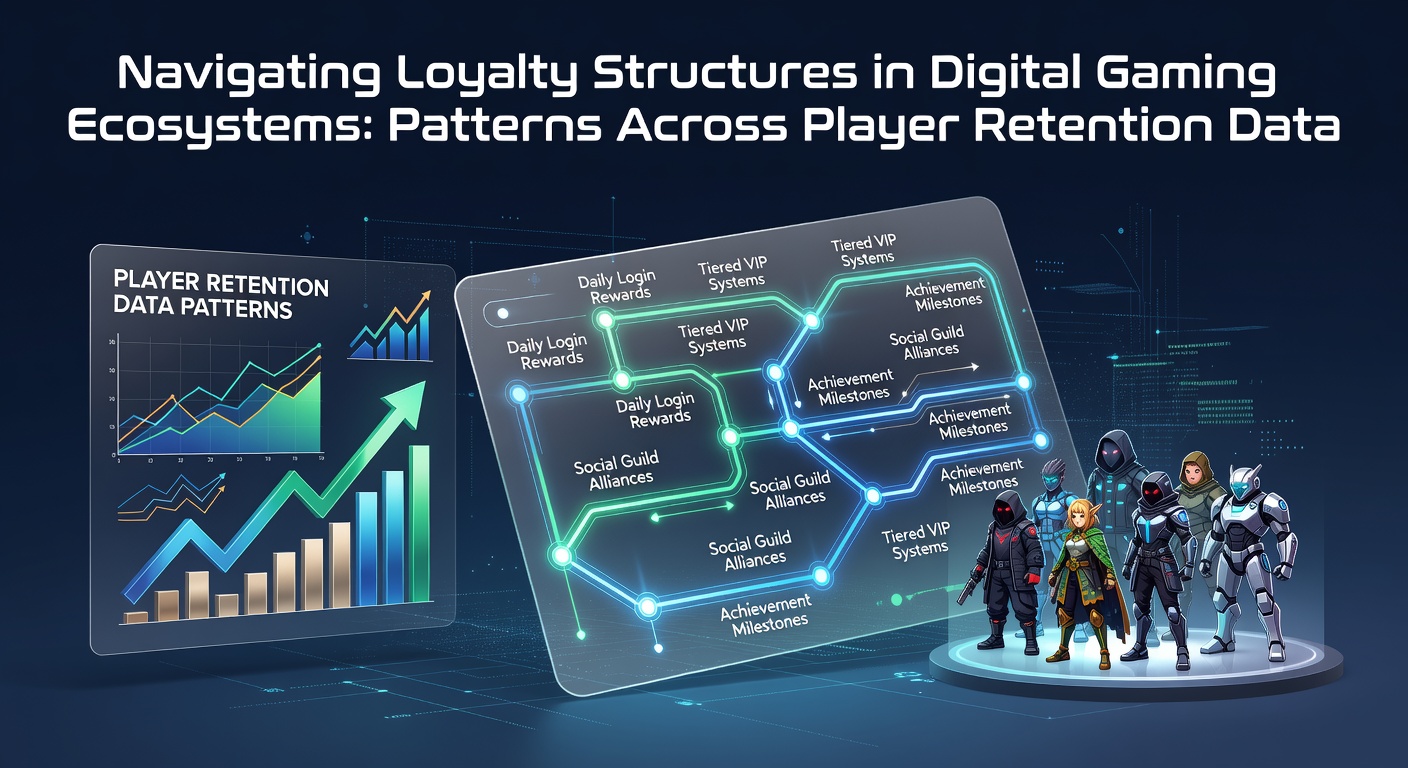
Digital gaming ecosystems have developed intricate loyalty structures that track player engagement through points systems, tiered rewards, and personalized incentives, and these frameworks reveal consistent patterns in how retention metrics respond to structured progression mechanics. Operators collect vast datasets on login frequency, session duration, and spending velocity to refine these programs, which in turn shape long-term participation across platforms ranging from mobile titles to expansive multiplayer environments.
Core Components of Modern Loyalty Frameworks
Points accumulation serves as the foundation in most systems, where players earn currency based on time spent or in-game actions completed, and this currency converts into redeemable items, currency boosts, or exclusive access passes. Tiered levels build on this base by introducing escalating benefits such as faster point multipliers, priority support channels, and event invitations, while algorithms adjust thresholds dynamically according to aggregate player behavior data. Research from the University of Nevada, Las Vegas shows that retention rates climb steadily once players cross the second or third tier threshold, often because the perceived value of accumulated status outweighs the effort required to maintain it.
Personalization layers add another dimension, as machine learning models segment users by playstyle and tailor offers accordingly, and this approach has produced measurable lifts in return rates across multiple platforms. Data from the New Jersey Division of Gaming Enforcement indicates that customized loyalty communications in regulated markets correlate with higher month-over-month active user figures compared to generic reward blasts.
Retention Patterns Emerging from Aggregated Datasets
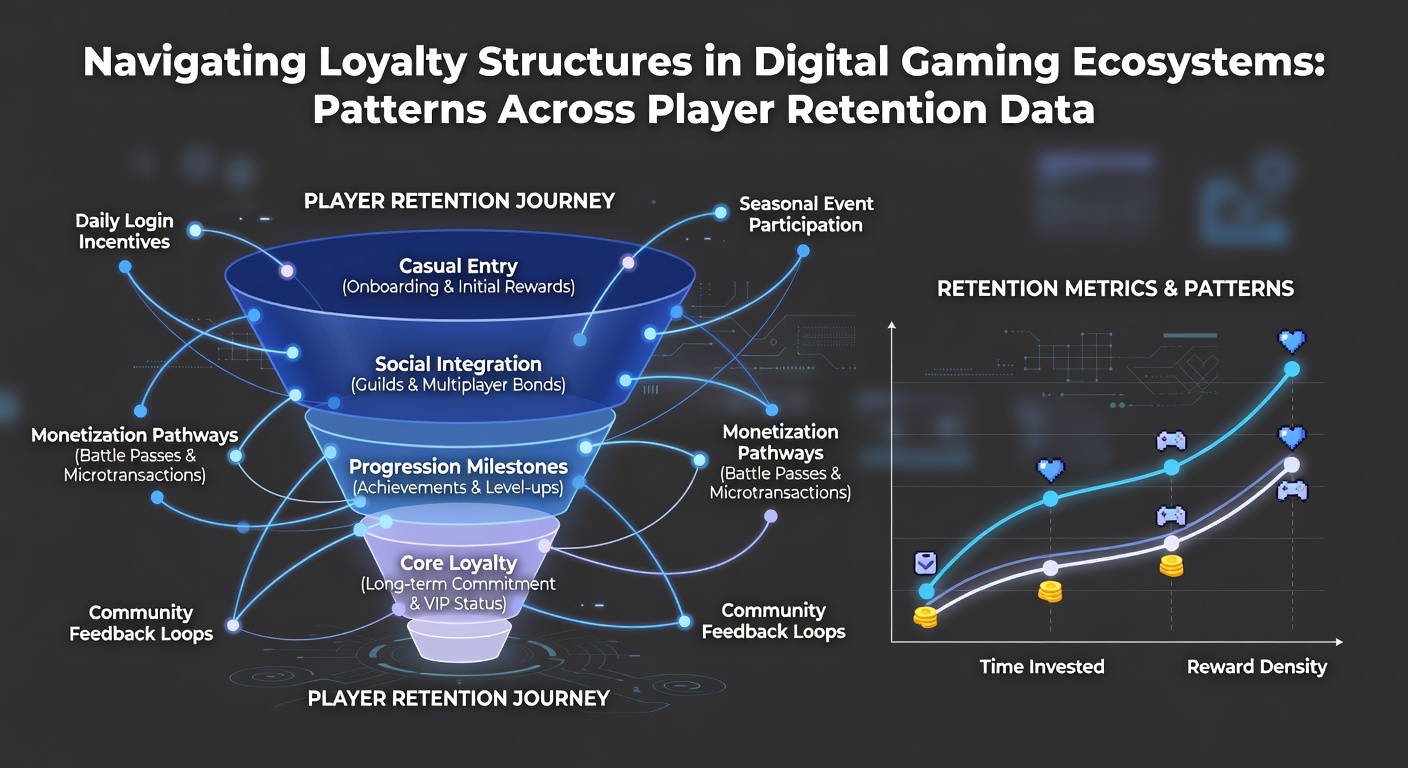
Analysis of large-scale player logs reveals that loyalty structures with clear, achievable milestones sustain engagement longer than flat reward models, while sudden jumps in required activity often trigger drop-off clusters around the six-week mark. Those who studied retention curves note that weekly login streaks produce compounding effects once players enter loyalty programs, because the psychological commitment to preserving streak multipliers encourages habitual returns even during lower-interest periods.
Seasonal events integrated into loyalty calendars further influence these patterns, and June 2026 data from several major platforms showed spikes in both new enrollments and tier advancements during mid-year celebrations that offered double-point windows. Observers note that players who participated in these limited-time boosts demonstrated 18 to 24 percent higher retention through the following quarter compared with non-participants in control groups.
Cross-Platform Variations and Their Impact
Mobile ecosystems tend to emphasize quick daily rewards and streak mechanics that fit short play sessions, whereas console and PC environments lean toward deeper progression trees that reward long-form investment, and these differences create distinct retention signatures. Australian regulatory reports highlight that cross-platform loyalty accounts, which allow point transfer between mobile and desktop versions of the same title, reduce churn by unifying progress across devices and removing friction caused by fragmented accounts.
Free-to-play titles often front-load generous entry rewards to accelerate initial tier placement, after which the structure shifts toward sustained spending incentives, and industry analyses from the European Gaming and Betting Association indicate this front-loading strategy lifts day-30 retention but requires careful calibration to avoid inflating early metrics at the expense of lifetime value.
Technological and Regulatory Influences on Data Integrity
Blockchain-based loyalty ledgers have begun appearing in select ecosystems, providing transparent point tracking that players can verify independently, and early adopters report modest improvements in trust metrics that indirectly support retention. Meanwhile, privacy regulations in multiple jurisdictions now require clearer disclosure of how loyalty data feeds into algorithmic decisions, which has prompted operators to simplify reward explanations and offer opt-out pathways without full program removal.
Those who've examined retention datasets across regions observe that transparency measures do not reduce overall engagement when programs maintain consistent value delivery, because players respond more favorably to understandable rules than to opaque point calculations.
Conclusion
Loyalty structures in digital gaming continue to evolve through iterative analysis of retention data, and the patterns that surface guide incremental refinements rather than wholesale redesigns. Operators that align milestone pacing with observed player behavior clusters maintain steadier active-user curves, while those that introduce abrupt changes without corresponding data support experience measurable attrition. As platforms incorporate additional personalization layers and cross-device continuity features, the underlying retention patterns are expected to remain anchored in the same principles of achievable progression and perceived ongoing value.