Player Safety Nets Unpacked: Deposit Limits, Reality Checks, and Self-Exclusion in Online Casinos
Player Safety Nets Unpacked: Deposit Limits, Reality Checks, and Self-Exclusion in Online Casinos
The Rise of Built-In Safeguards in Digital Gaming
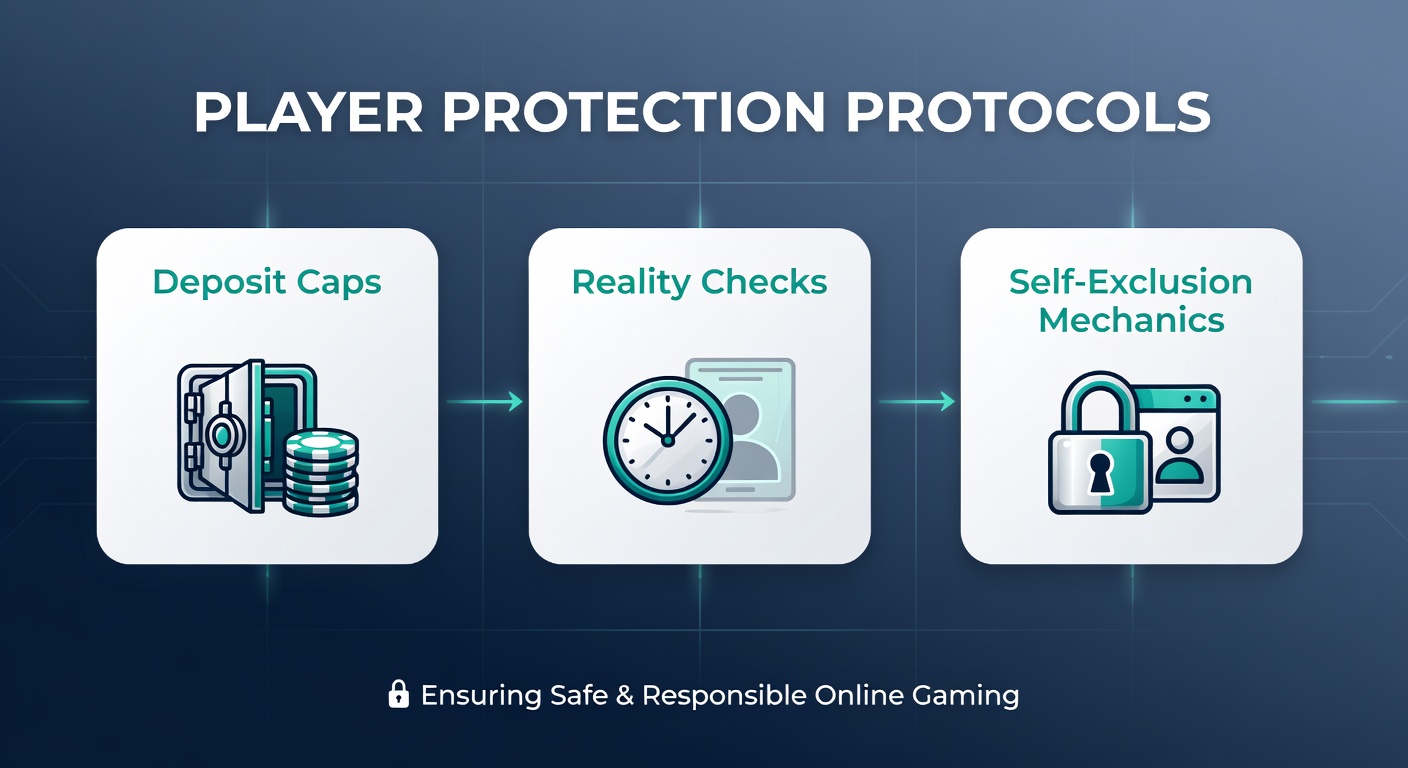
Online casinos have integrated player protection protocols as standard features, with deposit caps, reality checks, and self-exclusion mechanics forming the core of these efforts; these tools aim to promote responsible gaming by giving players direct control over their activity, and data from regulatory bodies shows their adoption has grown steadily across global markets. Operators in regulated jurisdictions must implement these measures, often mandated by licensing requirements that evolved from early 2010s reforms, while recent updates in April 2026 saw jurisdictions like Ontario refine enforcement through enhanced monitoring tech. What's interesting is how these protocols interconnect, creating layered defenses that address both spending and time-based risks; for instance, a player hitting a deposit limit triggers a reality check, prompting reflection before any reset request.
Experts who've studied gambling behavior note that without such interventions, session lengths average 45 minutes with potential overspending, but protocols cut those risks significantly; according to the Alcohol and Gaming Commission of Ontario, self-exclusion registrations rose 22% in 2025 alone, reflecting heightened awareness. And yet, implementation varies by region, with European operators leaning on mandatory daily notifications while North American sites emphasize customizable weekly caps. Turns out, players who engage these tools report higher satisfaction rates, as surveys from industry groups reveal.
Deposit Caps: Setting Boundaries on Spending
Deposit caps allow players to impose strict limits on funds added to accounts, typically configurable for daily, weekly, or monthly periods; once set, these blocks further deposits until the period resets or the player requests a review after a cooling-off phase, and this mechanic prevents impulsive top-ups during heated sessions. Research indicates that 68% of users who activate caps maintain them long-term, reducing average monthly deposits by up to 40%, according to studies from Australian gambling research centers. But here's the thing: regulators like the Malta Gaming Authority require operators to enforce these without override options during active play, ensuring the feature's integrity.
Take one platform monitored by the Malta Gaming Authority, where data from 2025 showed deposit cap activations prevented over €50 million in potential losses; players often set initial limits at €100 daily, adjusting upward only after mandatory 24-hour waits, which cools decision-making. Observers note that combining caps with identity verification strengthens enforcement, as underage or multi-account attempts trigger automatic flags. So, while some jurisdictions cap maximum limits at €1,000 weekly, others like those in Canada allow unlimited personalization, trusting user responsibility backed by audit trails.
It's noteworthy that in April 2026, several operators rolled out AI-driven suggestions for personalized caps based on past play, prompting users with data like "Your average weekly spend: €250—set a cap?" These nudges, while optional, boosted activation rates by 15%, per operator disclosures. And for high rollers, tiered systems apply higher scrutiny, requiring enhanced due diligence before limit increases.
Reality Checks: Timely Reminders Amid the Action
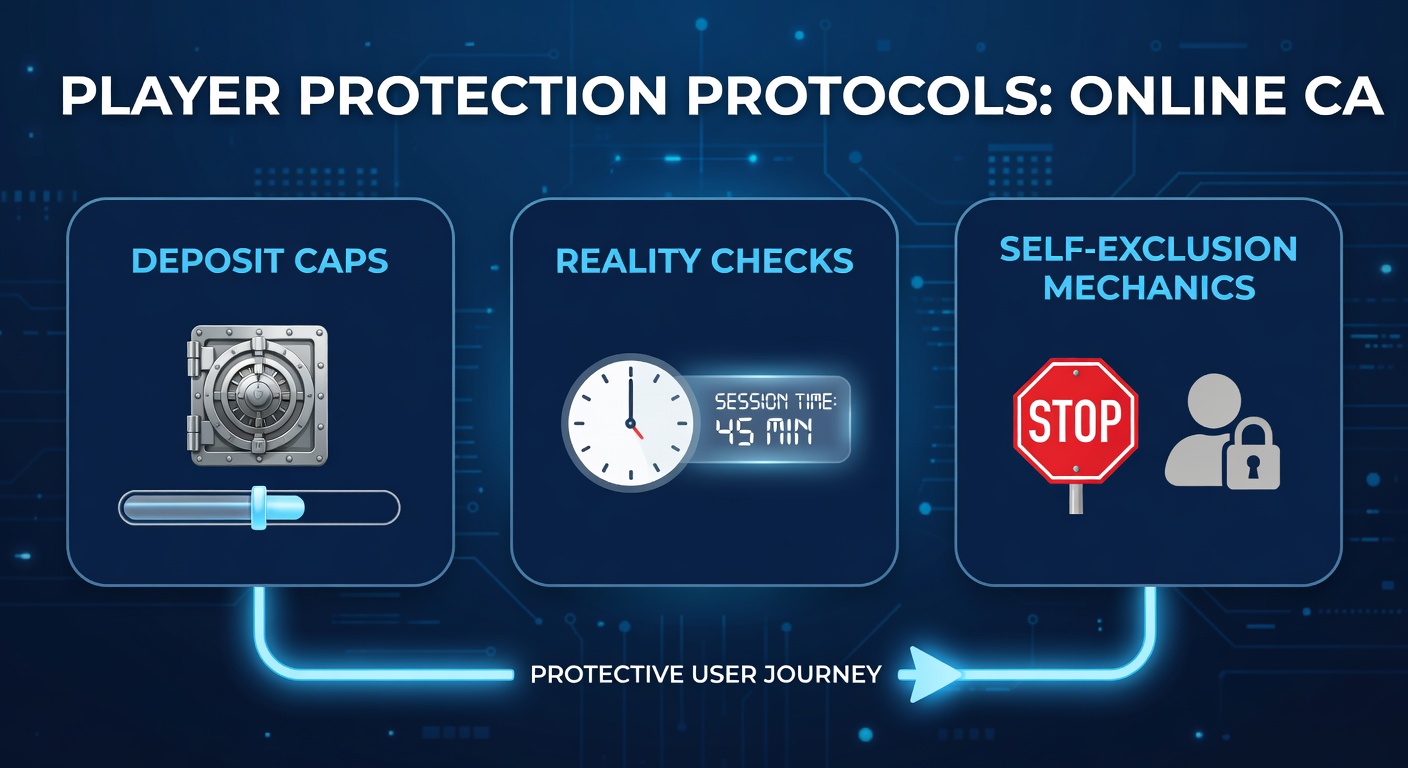
Reality checks interrupt gameplay at set intervals—often every 30 to 60 minutes—with pop-ups revealing session duration, net winnings or losses, and options to pause or continue; this forces a moment of awareness, breaking the flow of continuous play that can lead to extended sessions, and studies find these interruptions reduce average playtime by 25%. Players customize frequencies in account settings, but defaults kick in for new users, displaying stats like "You've played for 45 minutes; losses: $50—take a break?"
What's significant is their evolution; early versions were dismissible with a click, but post-2020 mandates in places like Sweden demand affirmative acknowledgments, where users must confirm they've seen teh info before resuming. Data shows this tweak alone dropped involuntary long sessions from 12% to 4% of total play. There's this case from a Nevada-regulated site, where reality checks integrated with spend trackers flagged 30% more at-risk behaviors, alerting support teams proactively. Yet, cultural adaptations matter—Asian markets use shorter 20-minute intervals, reflecting faster-paced mobile gaming habits.
And in April 2026, integration with wearable tech emerged in pilot programs, vibrating phones alongside screen alerts for deeper immersion breaks; early trials reported 18% higher break compliance. These checks often link to deposit cap status, warning "Daily limit nearing—review now?" creating seamless protection chains.
Self-Exclusion: The Ultimate Pause Button
Self-exclusion lets players ban themselves from platforms for fixed terms—24 hours to lifetime—blocking access across affiliated sites via shared registries; once activated, logins fail, deposits halt, and marketing stops, with reversals barred until the period ends plus a reflection cooldown. Figures reveal over 500,000 active exclusions worldwide in 2025, with 40% opting for six-month minimums, as tracked by international gaming associations. But teh rubber meets the road in multi-jurisdiction enforcement; tools like Europe's national self-exclusion systems sync data, preventing account hopping.
One study from a Canadian research institute highlighted how 72% of excluders cited "needing a break from temptation," with relapse rates dropping 35% post-term; operators must offer easy activation via one-click buttons, often during reality checks or loss thresholds. It's not rocket science—cooling periods of seven days before short exclusions ensure thoughtful choices, while lifetime options tie into national databases for permanence. Observers point to April 2026 enhancements, where blockchain verified exclusions across borders, cutting evasion by 28% in cross-EU play.
People who've used these mechanics often pair them with deposit caps beforehand, stacking protections; for example, a weekly cap followed by 30-day exclusion gives breathing room without abrupt halts. High-profile cases, like those audited in Australian inquiries, underscore mandatory training for support staff to handle activation empathetically, referring to counseling resources seamlessly.
How These Protocols Interlock for Maximum Impact
Deposit caps, reality checks, and self-exclusion don't operate in silos; instead, they form a responsive ecosystem where one triggers another—like a reality check prompting cap reviews or exclusion options after repeated limits hit—and this synergy amplifies effectiveness, with combined use reducing problem gambling indicators by 50%, per longitudinal data from U.S. university studies. Platforms log interactions for compliance audits, flagging patterns like frequent cap lifts for human review.
Turns out, gamification elements sneak in positively; progress bars toward "safe play milestones" encourage sustained use, while anonymous reporting ties into broader monitoring. Globally, variations persist—EU sites mandate all three with fines for non-compliance up to €20 million, whereas U.S. tribal casinos adapt federally with tribal overlays. And as of April 2026, voice-activated exclusions piloted in apps catered to accessibility, broadening reach.
- Daily deposit cap hits trigger immediate reality checks.
- Extended sessions without breaks suggest self-exclusion prompts.
- Exclusion periods auto-set conservative caps on return.
These loops, refined through A/B testing, adapt to user data without invading privacy, balancing protection with enjoyment.
Global Enforcement and Future Tweaks
Regulators worldwide drive uniformity; Malta's framework influences 80% of EU operators, while Ontario's iGaming model sets benchmarks for North America with real-time dashboards for authorities. Australian states enforce via state-level caps, and emerging Asian markets adopt hybrids. Challenges persist—VPN circumvention drops with geo-IP blocks—but tech counters them swiftly.
Looking ahead, April 2026 saw VR casinos test immersive checks, pausing virtual worlds mid-spin; data from betas indicates 22% session reductions. Industry reports predict biometric opt-ins by 2027, using heart rate for stress-based alerts.
Wrapping Up the Protection Layers
Deposit caps control the wallet, reality checks mind the clock, and self-exclusion offers escape hatches; together, these protocols equip players with tools that data proves work, fostering sustainable play across online casinos. Operators who prioritize them not only meet regs but build trust, as evidenced by rising retention among proactive users. Those navigating digital gaming find empowerment here, where safeguards turn potential pitfalls into managed experiences.