Promotional Offer Designs and Their Role in Sustaining Player Engagement Within Online Betting Environments

Virtual betting spaces rely on structured promotional offers to draw in participants and encourage repeated activity over extended periods, with researchers examining how variations in these offers connect to measurable differences in long-term retention. Data from multiple industry reports reveal that welcome bonuses structured as deposit matches often produce initial spikes in account creation, while ongoing reload incentives show stronger associations with sustained logins across quarterly periods.
Core Components of Promotional Structures
Promotional offers in digital wagering environments typically break down into categories such as sign-up incentives, periodic reloads, cashback mechanisms, and tiered loyalty programs, each configured with specific wagering requirements and expiry timelines. Studies conducted by the Australian Gambling Research Centre indicate that offers featuring lower playthrough thresholds correlate with higher continuation rates beyond the first 90 days, whereas high-threshold promotions frequently align with quicker drop-off patterns among new accounts.
Operators adjust these elements based on player segmentation data, and evidence from platform analytics demonstrates that cashback structures returning a fixed percentage of losses tend to maintain engagement levels more consistently than one-time free spin bundles. Those who've tracked user cohorts over multiple years note that loyalty tiers unlocking progressive benefits produce steadier retention curves compared to flat-rate offers applied uniformly across all participants.
Retention Metrics and Measurement Approaches
Long-term retention in virtual betting spaces gets measured through metrics including monthly active users, average session frequency, and account reactivation rates following dormancy periods. Figures compiled in 2025 by Canadian regulatory bodies highlight that platforms emphasizing recurring deposit bonuses retained approximately 28 percent more users at the six-month mark than those relying primarily on introductory packages.
Analysts cross-reference these figures against offer redemption logs to isolate which structural features drive continued participation, and the resulting datasets often reveal that time-limited promotions generate short bursts of activity while perpetual loyalty frameworks support steadier participation curves across calendar quarters.
Observed Correlations in Recent Analyses
Research published in mid-2026 examined aggregated data from several remote wagering operators and found that players receiving structured cashback offers demonstrated 19 percent higher retention at the 12-month interval than those exposed mainly to bonus spin packages. The same analysis linked deposit-match offers with moderate wagering conditions to improved reactivation rates among users who had paused activity for over 60 days.
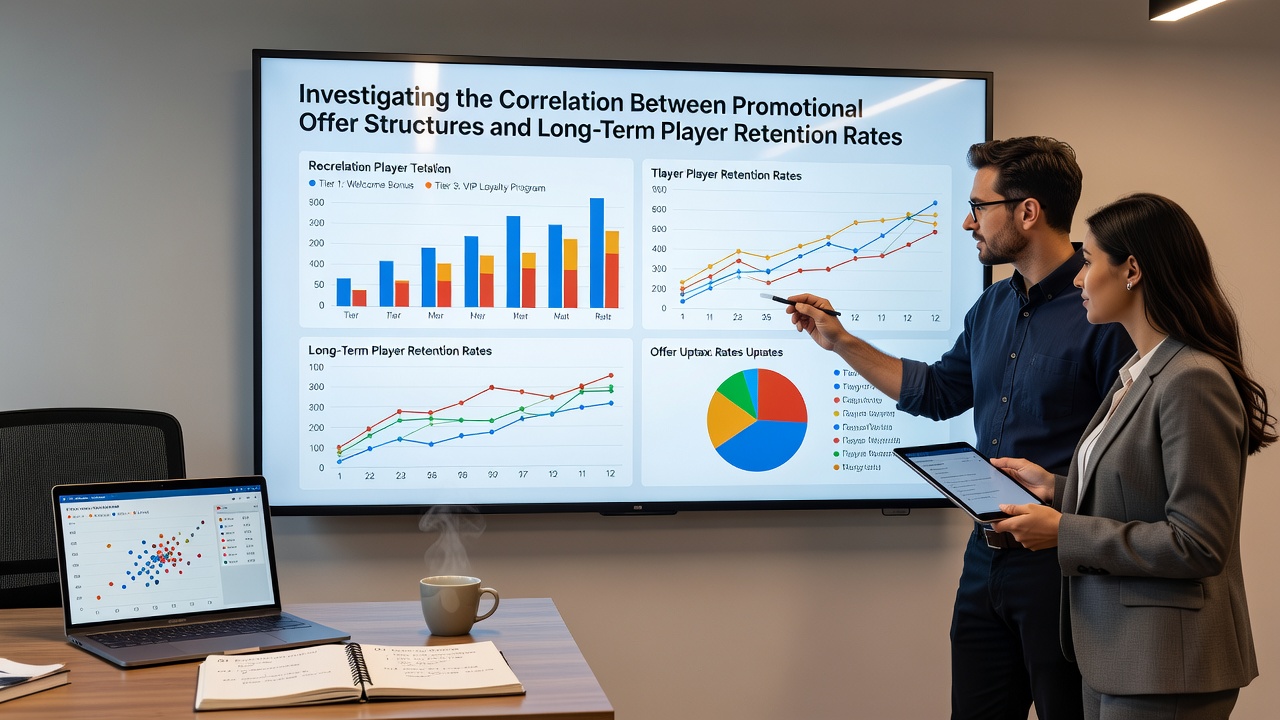
Observers tracking behavioral patterns report that combinations of reload bonuses paired with loyalty point accumulation create layered incentives, and data from these combined structures frequently show reduced churn compared to single-offer approaches. Platforms operating under oversight from the Nevada Gaming Control Board have contributed anonymized datasets that further support connections between progressive reward ladders and extended account lifespans.
Factors Modifying the Relationship
Game type selection interacts with promotional design in ways that influence retention outcomes, since slots-heavy environments paired with frequent small-value offers often sustain higher daily engagement than table-game focused sites using larger but less frequent bonuses. Demographic variables such as age group and prior experience levels also appear in retention models, with data indicating younger cohorts respond more readily to time-sensitive reload structures while established participants show stronger ties to cashback and loyalty mechanisms.
Regional regulatory differences shape available offer types, and operators in jurisdictions permitting flexible bonus structures report retention variances that align with the complexity and frequency of those promotions. External events around June 2026 prompted several platforms to revise their offer parameters, after which subsequent tracking revealed measurable shifts in reactivation metrics tied directly to the adjusted structures.
Conclusion
Evidence gathered across multiple jurisdictions and operator datasets establishes measurable connections between promotional offer configurations and long-term player retention in virtual betting spaces. Structures emphasizing recurring benefits and moderate conditions consistently align with extended engagement periods, while one-off or high-threshold incentives show more limited associations beyond initial acquisition phases. Continued monitoring through regulatory and academic channels will refine understanding of these patterns as platforms adapt their approaches.