The Progression of Random Number Technology in Betting and Its Influence on Player Trust
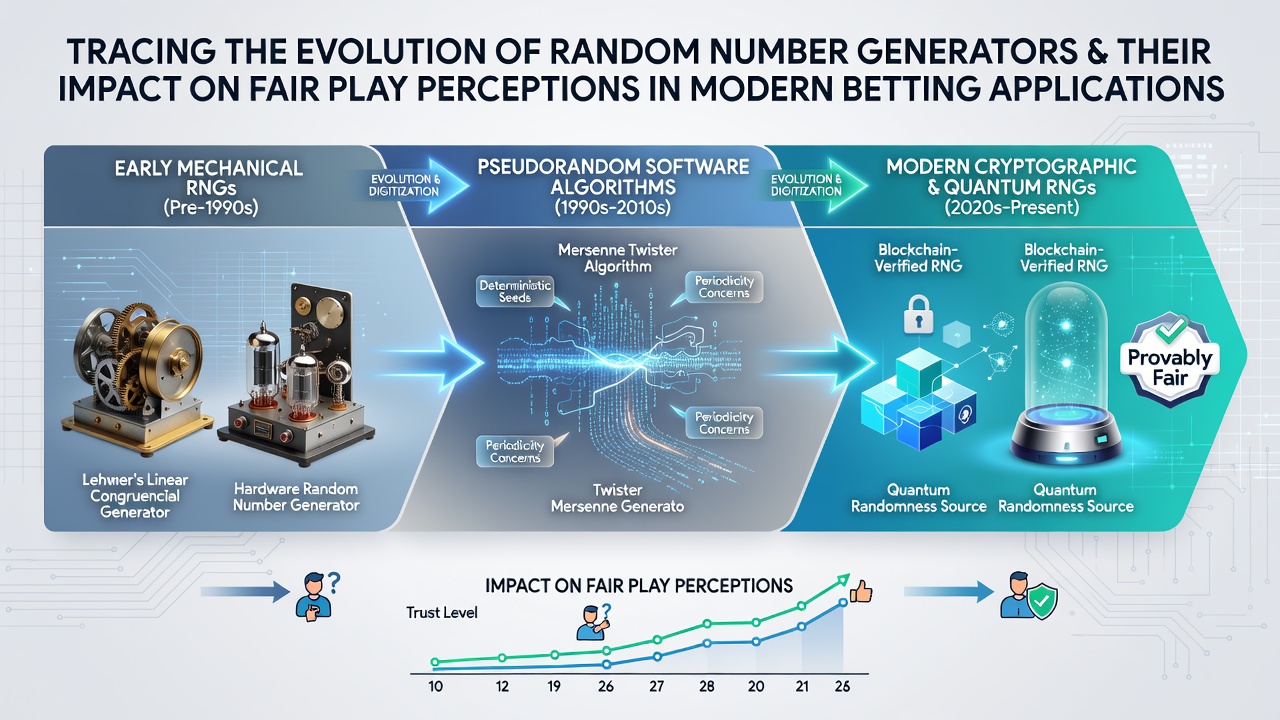
Random number generation has moved through distinct phases since the mid twentieth century, beginning with mechanical devices that produced outcomes through physical motion and advancing to software algorithms that operate within regulated digital environments. Observers note that each stage brought measurable changes in how betting operators and regulatory bodies documented fairness, with certification processes evolving alongside the technology itself.
Mechanical Foundations and Early Digital Shifts
Physical reels and gear driven mechanisms formed the initial standard in land based machines, where outcomes depended on the precise stopping positions created by rotating drums or wheels. Researchers documented that these systems delivered results through mechanical entropy, yet wear patterns and maintenance requirements introduced variables that later required independent verification. By the 1970s, electronic circuits replaced many of those moving parts, converting physical motion into electrical pulses that fed into simple counters. Data from industry archives shows that this transition reduced mechanical failure rates while increasing the speed at which new game titles could reach the market.
Software based pseudo random number generators appeared in the 1980s, relying on mathematical sequences seeded by system clocks or user inputs. Those who studied early implementations found that linear congruential generators offered repeatable patterns under controlled conditions, prompting gaming authorities in multiple jurisdictions to require periodic statistical testing. The introduction of cryptographically secure algorithms in the following decade addressed predictability concerns by incorporating larger state spaces and non linear transformations, although independent laboratories still performed regular audits to confirm compliance with published standards.
Certification Practices and Regulatory Requirements
Testing organizations such as iTech Labs and Gaming Laboratories International developed standardized evaluation protocols that examined both the statistical properties of generated sequences and the integrity of the surrounding software. Figures published by these laboratories indicate that thousands of RNG evaluations occur each year across global markets, with failure rates remaining below one percent when operators submit properly documented systems. Regulatory frameworks in Nevada and several Australian states specify minimum periods between reseeding events and mandate disclosure of the algorithms employed, creating documented trails that allow retrospective analysis when disputes arise.
External references such as the NIST Special Publication 800-90 series provide technical guidance on deterministic random bit generators that many jurisdictions reference during approval processes. Industry reports compiled by the European Gaming and Betting Association further detail how operators integrate these standards into live monitoring dashboards, enabling real time detection of sequence anomalies before they affect player sessions.
Hardware Based True Random Sources and Recent Developments
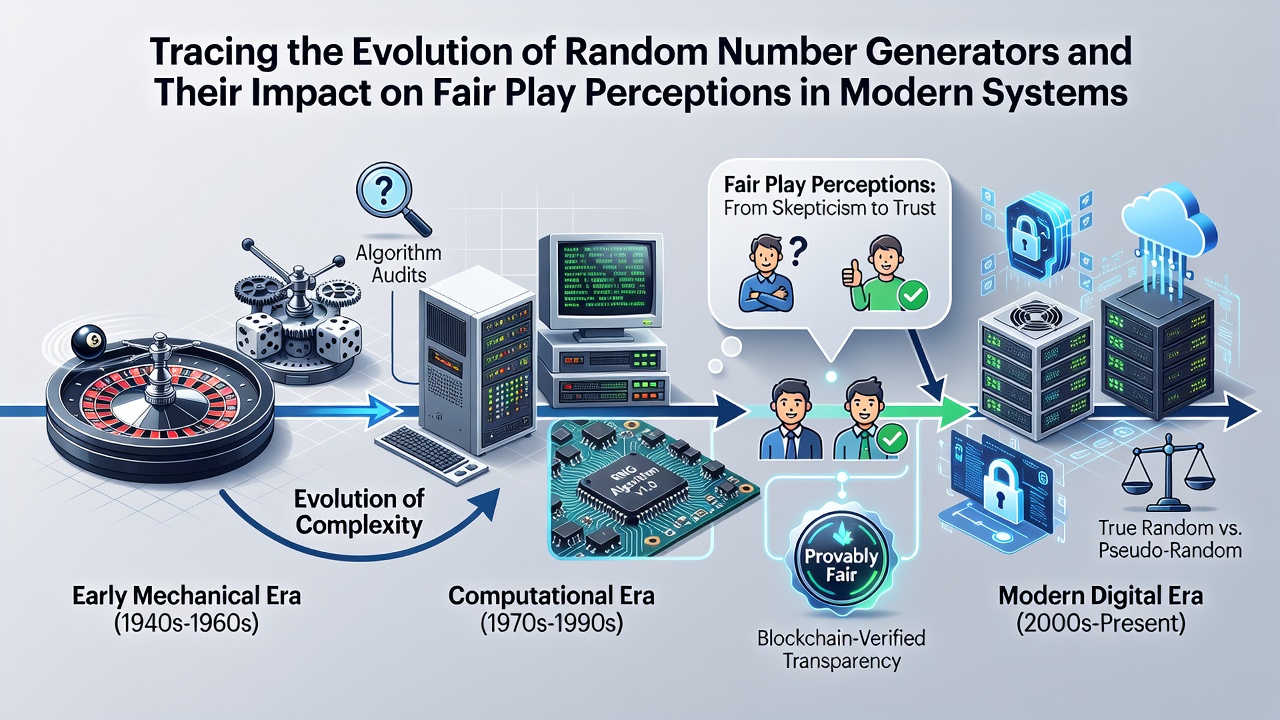
Hardware random number generators that harvest entropy from thermal noise, ring oscillators, or quantum phenomena entered commercial betting platforms during the 2010s. Studies conducted by university research groups demonstrated that these sources produce sequences passing the full suite of Diehard and NIST statistical test suites at higher rates than software only methods under comparable conditions. Several operators began offering dual source systems that combine hardware entropy with cryptographic post processing, a configuration that regulators in multiple regions began accepting after 2020.
By June 2026, updated technical standards scheduled for implementation in several North American and Asian markets will require operators to maintain independent audit logs that record both the entropy source identifier and the post processing steps applied to each game outcome. Compliance documentation released by the respective gaming control boards indicates that these measures aim to provide verifiable chains of custody from entropy collection through final result delivery to the player interface.
Perception of Fairness Among Participants
Survey data collected by academic institutions and market research firms shows that visible certification seals and third party audit summaries correlate with higher reported trust levels among users of regulated platforms. Participants who reviewed published test reports often cited the presence of regular statistical verification as a deciding factor when choosing between licensed and unlicensed services. Case examples documented by consumer protection agencies reveal that transparent disclosure of RNG methodology reduced the frequency of formal complaints regarding outcome integrity in jurisdictions that mandate such reporting.
Those who have examined longitudinal participation records note that markets introducing mandatory RNG certification experienced measurable stabilization in player retention metrics within twelve months of enforcement, although multiple variables including tax policy and marketing restrictions also influence those trends. The reality is that documented compliance processes provide operators with evidence they can present during regulatory reviews, while giving players access to verifiable performance data that was previously unavailable.
Conclusion
The documented evolution of random number generation reflects a continuous interaction between technological capability, regulatory oversight, and participant expectations. Hardware and software advancements have expanded the range of verifiable fairness mechanisms available to operators, while certification frameworks have adapted to incorporate new entropy sources and testing methodologies. Continued alignment between technical standards and regulatory requirements supports the production of auditable outcomes that participants can evaluate through publicly available reports.